Attic air sealing in Cerritos CA - rooms that stop pulling in hot attic air
Hot upstairs, dust at the baseboards or a power bill that climbs every summer? We close the attic leaks first, in the right order.
Do I need my attic sealed, or just more insulation?
At Caliber Cerritos Spray Foam Insulation, attic air sealing means closing the holes between your rooms and the attic, so hot, dusty attic air stops working its way into your Cerritos home and the insulation up there can do its job.
Most people call because the upstairs runs hot, the room over the garage never cools down, or dust keeps collecting along the carpet edges. More insulation alone usually won't fix that, because blown and batt insulation slow heat but let air pass right through them, so the leaks underneath keep pulling attic air into the house.
The price moves with how many big leaks your attic has, how easy it is to get around up there, and whether old insulation has to come out before we seal. The schedule turns on the same things, plus anything that needs fixing first and whether you add insulation in the same job, and your written estimate lays out each step in order so you can see what drives your number.
- We keep soffit, ridge and gable vents and combustion air ducts open, since they only work open.
- Small holes get caulk and bigger gaps get expanding foam, matched to the size of the opening.
- We note how many inches of insulation are already up there and whether any of it is soiled.
What happens after you call about attic air sealing?
I handle the visit and the estimate myself, and our installers do the sealing. Here's how a job runs from your first call to the walk-through at the end.
Call or send a message
Call (562) 307-9067 or fill in the form, and we'll get back to you to set up a visit. It helps to tell us about any gas or oil appliances, any gray flaky insulation, and whether you plan to add insulation.
I inspect the attic myself
I go through the attic, measure, take photos and check for anything that has to be fixed before sealing. You get a written estimate listing each step in the order we'd do it, so you know what you're paying for before you agree to anything.
Our installers seal the attic
On the day, our installers protect your floors and the path to the hatch, then seal the leaks in the order the estimate lists. If the plan includes spray foam, we'll tell you ahead of time when you need to be out and when you can come back in.
We walk the finished job
I check the work our installers did and go over the finished attic with you before we call it done. That's the time to ask anything you want answered about what we sealed.
Attic sealing and insulation work up close
These photos show the kind of attic work this trade involves, from sealing gaps at the attic floor to laying insulation over them. They're examples of the work, not pictures from one particular house.
A worker in protective gear sprays green foam insulation between exposed wooden roof rafters.
An unfinished room has exposed framing with cream-colored spray foam filling the walls and roof.
White spray foam coats the roof underside in an attic with exposed wooden trusses and yellow insulation batts.
An installer in protective coveralls feeds loose-fill insulation through a hose across an attic floor among exposed wooden trusses.
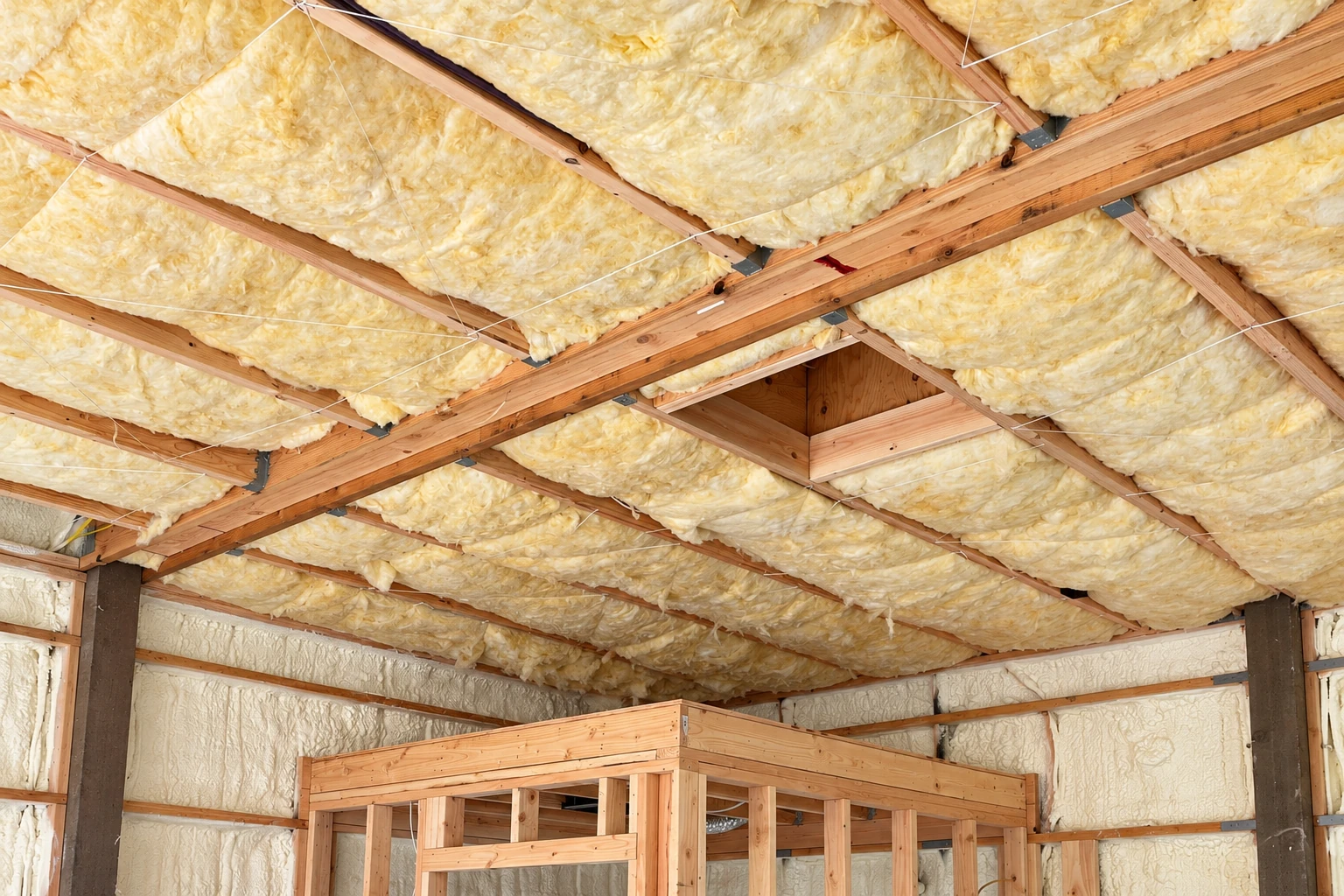
An unfinished room has spray foam on one wall and ceiling, with fiberglass batts between studs on the far wall.
Spray foam insulation coats the rafters and walls of an unfinished room, with exposed wooden framing and foil-wrapped ducts.
Get a written plan for sealing your attic in order
Send the form and we'll reply within one business day to set a time for me to see your attic. The estimate is free, written and done on site, and there's no obligation to book.
(562) 307-9067Common questions about sealing an attic in Cerritos
These are the questions people ask before they book attic sealing. Most come down to whether the attic is ready, whether it's safe with gas appliances and what has to happen first.
Should I seal my attic before adding insulation?
Yes, seal first. The Department of Energy's attic sealing guide checks combustion safety and indoor ventilation first, then attic ventilation, then finishes the sealing before any insulation goes in, and owners get the most energy savings when it's done in that order. That's why we plan the two as one job.
How do I know my attic is ready for air sealing?
Your attic is ready when it's dry, sound and vented, with no old wiring that needs replacing first. ENERGY STAR recommends having a professional correct wet or damp insulation, moldy or rotted rafters, vents that blow moist air into the attic, little or no attic ventilation, and knob and tube wiring, the old wiring strung on ceramic knobs, before any sealing. I look for each of these at the visit, and anything I find goes on the estimate ahead of the sealing.
Is attic air sealing safe with a gas furnace or water heater?
It can be, and the same ENERGY STAR guidance suggests owners with gas or oil appliances consider having a Home Performance Contractor test them before and after sealing. In some cases a tighter house can make a naturally venting furnace or water heater send combustion gases back into the home. I spent years as a heating and air tech, so I look at how your appliances vent during the visit and tell you if testing makes sense before we start.
Who can do attic air sealing in California?
For most jobs, a licensed contractor. California lets an unlicensed person take on minor work only up to $1,000, and only when the job needs no permit and they have no employees. When the job adds insulation along with the sealing, it falls under the state license board's insulation and acoustical classification, for contractors who install insulation for temperature or sound control, and we're fully licensed and insured.
How much does attic air sealing cost in Cerritos?
There's no flat price, because the cost comes down to how many big leaks your attic has and how much has to happen before sealing. An attic that's easy to move around in with dry insulation costs less than one where old insulation has to come out first or where the ducts call for spray foam. Your written estimate lists each step separately, so you can see what each part adds.
How do I handle gray, flaky insulation in my attic before sealing?
Leave it alone until it's tested. Gray, flaky insulation may be vermiculite, which may contain asbestos, so it should stay undisturbed until an approved lab has tested it, and your local health department can give you the name of one. If I see it during the visit, we won't touch it or seal over it until you have results.
Attic air sealing in Cerritos and nearby cities
One compliance firm places Cerritos in California Climate Zone 8, with warm summers and mild winters, so hot upstairs rooms are the usual complaint. We're based here and work in cities around it, like Norwalk and Bellflower.