
Caliber Cerritos Spray Foam InsulationCaliber Cerritos Spray Foam Insulation(562) 307-9067

Insulation Contractor in Fullerton, CA - Sealed First, Then Insulated

Caliber Cerritos Spray Foam Insulation is an insulation contractor based in Cerritos, CA. We work on Fullerton homes and commercial buildings, sealing attic air leaks first and then adding spray foam or blown-in insulation.

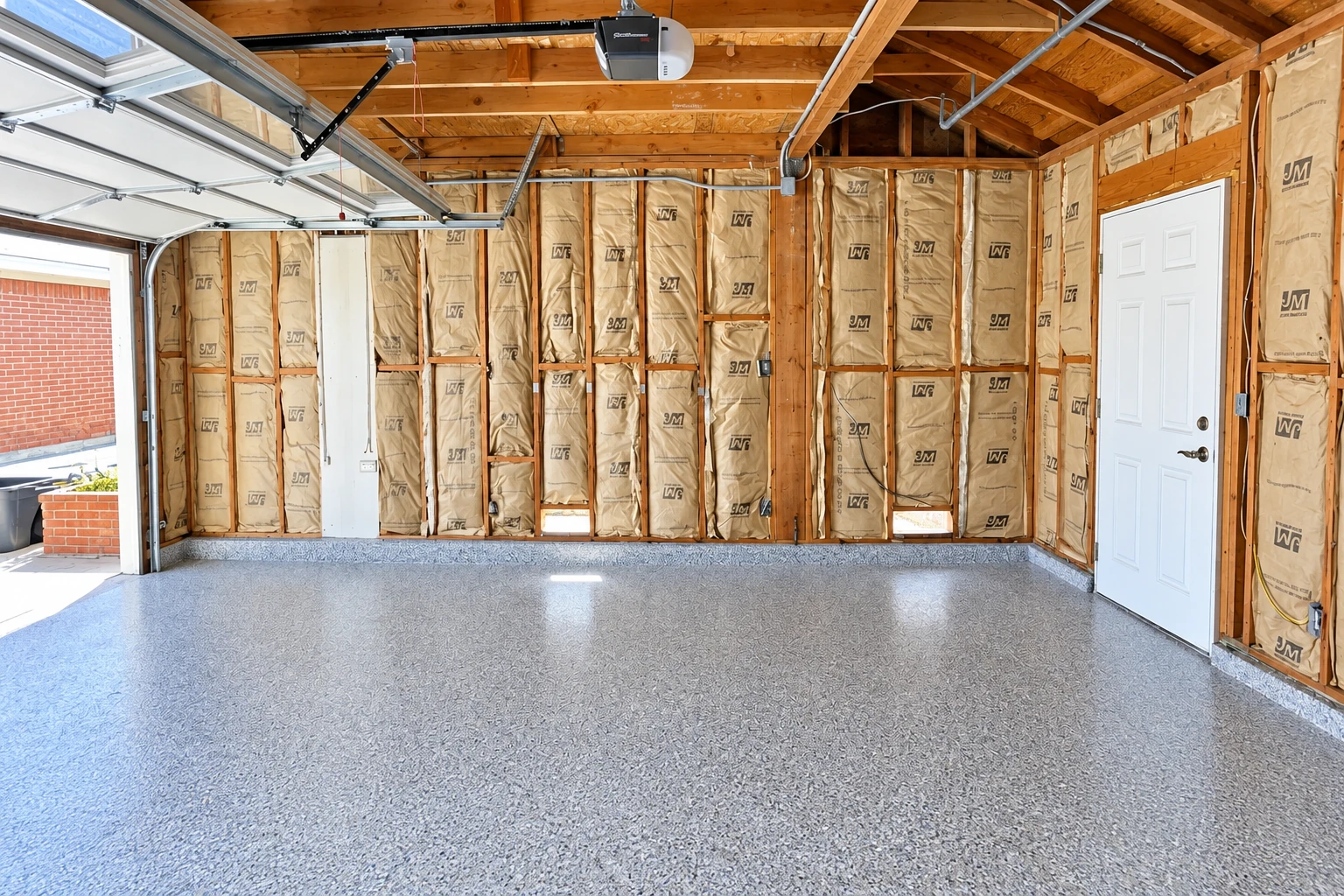
A garage with tan batt insulation fitted between exposed wall studs and a raised garage door.

How Fullerton houses look from the attic

We come up from Cerritos to Fullerton the same way we head into Anaheim and Buena Park, and the calls sound a lot alike. People tell us about an upstairs that stays hot after dark, a room over the garage nobody wants to sleep in, or a power bill that climbs every summer. The houses run from older homes with thin, settled insulation to newer ones where the attic was done once and never looked at again, and there are offices and shops too, where a property manager calls about a whole building.

The age of the house usually decides where we start. In an older house the job tends to begin with what has to come out, while in a newer one it's more often thin spots and gaps left from the first install.

Insulation services for Fullerton homes and buildings

Every service below starts the same way, with me in your attic or crawl space looking at what's already there. I check how many inches are up there, whether it's dry and clean, where the air leaks are and where the ductwork runs. The written estimate then lists the steps in order, so removal or sealing comes before anything new goes in. These cards cover what we do in Fullerton, from a single room over the garage to a commercial building, and each one leads to the details.

  • Spray foam insulation

    Rooms over a garage and tight framing in additions leave gaps that batts and loose fill can't reach. We spray foam there so it seals and insulates, once we've checked the wood is dry.

    Explore service
  • Attic insulation

    Thin or crushed attic insulation is usually why an upstairs bedroom stays hot after dark. We seal the gaps first, then bring the depth up evenly, with the edges as full as the middle.

    Explore service
  • Blown-in insulation

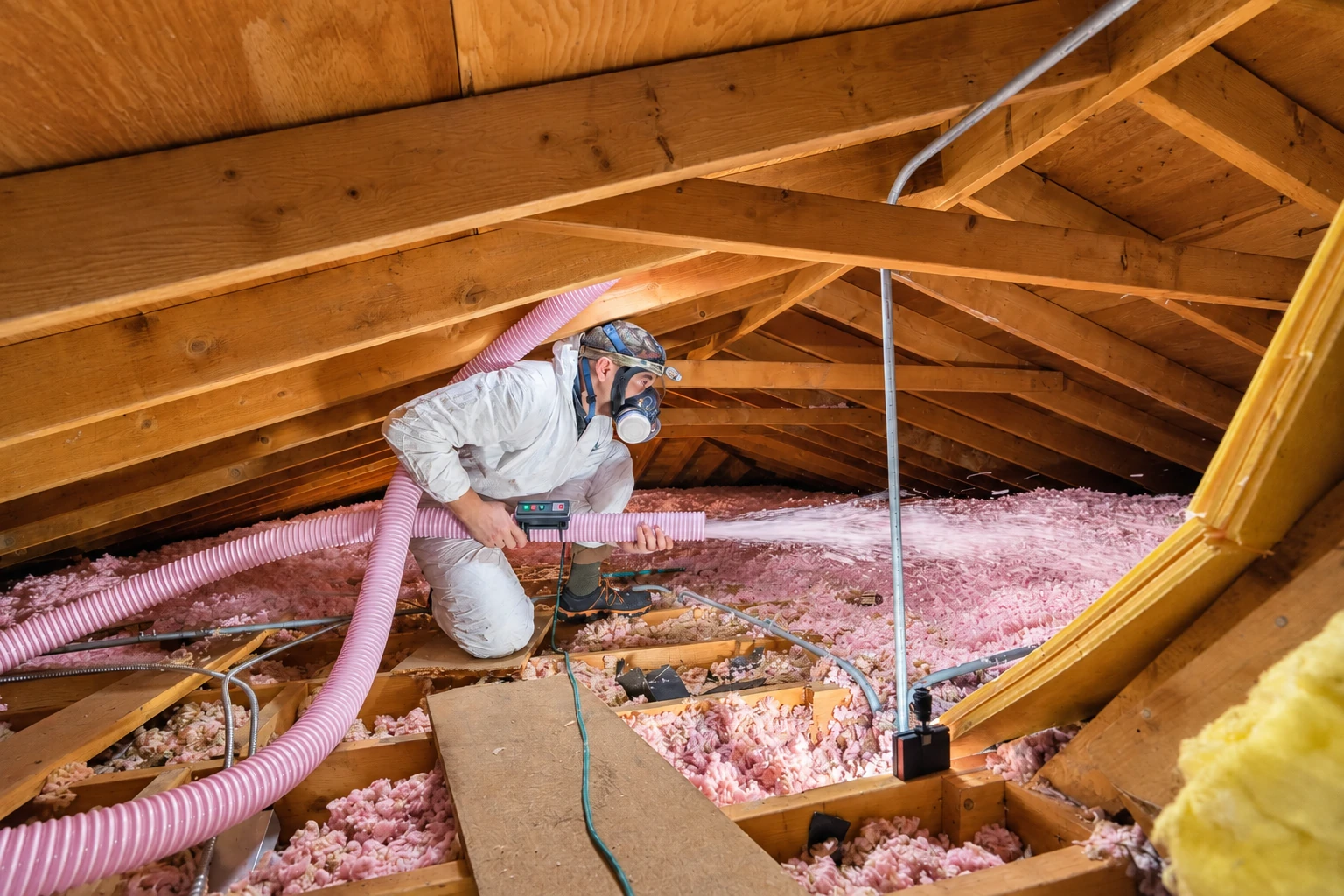
    Older attic insulation usually settles to a few inches over the years. We top it up with blown-in material, loose fill sent through a hose, and keep the eave vents clear.

    Explore service
  • Home insulation

    When a house feels drafty in every room, the attic, walls and floors are usually all losing heat. We walk the whole house and list the fixes in the order they should happen.

    Explore service
  • Insulation removal

    Insulation soaked by a roof leak or full of droppings has to come out, or the problem stays under the new layer. We remove it and clean up before anything new goes in.

    Explore service
  • Crawl space insulation

    On raised-floor houses, cold floors usually mean the crawl space has little or no insulation under the subfloor. We make sure the space is dry, then insulate between the floor joists.

    Explore service
  • Wall insulation

    Some older houses have little or nothing in the exterior walls, so the sunny side of the house heats up fast. We fill closed walls through small holes and patch them afterward.

    Explore service
  • Air sealing services

    Drafty rooms and dark dust lines along carpet edges usually point to air leaking in around pipes, wiring and trim. We find and close those gaps before any insulation goes in.

    Explore service
  • Basement insulation

    Basements and below-grade rooms are less common here, and the ones that exist tend to feel cool and a little damp. We sort out the moisture first, then insulate so none gets trapped.

    Explore service
  • Closed-cell foam insulation

    Closed-cell foam, a dense foam that blocks moisture, fits spots like a damp crawl space wall or a metal commercial roof deck. We use it where its higher cost buys something loose fill can't.

    Explore service
  • Open-cell foam insulation

    When the ductwork lives in the attic, open-cell foam along the roofline brings that space closer to room temperature. We use it for that, and reach for closed-cell where moisture is the worry.

    Explore service
  • Commercial insulation

    Offices, shops and small warehouses here need work planned around tenants and business hours. I walk the building with the property manager, and we schedule the work in stages.

    Explore service
  • Crawl space vapor barrier

    A musty smell indoors often starts with bare dirt in the crawl space giving off moisture. We cover the ground with a vapor barrier and seal the seams so the damp stays put.

    Explore service
  • Vapor barrier installation

    Converted garages and finished-out storage rooms can trap moisture inside new walls when the layers go in the wrong order. We put the vapor barrier where your walls actually need it.

    Explore service
  • Attic air sealing

    Can lights, plumbing stacks and the attic hatch are the gaps I find unsealed most, and they keep the insulation fighting a draft. We seal them from the attic side before adding any depth.

    Explore service
  • Retrofit insulation

    Houses remodeled in pieces often have a well-insulated room right next to one with almost nothing. We find the gaps and add insulation to the house as it stands, without starting over.

    Explore service

What to know before we start work in Fullerton

Most of what decides when a Fullerton job starts and what it costs gets settled before anyone climbs into the attic. Here's how the permit question, the contractor check and the estimate fit together.

Permits and contractor checks in Fullerton

In Fullerton, the city's Building Division issues building permits, and whether your insulation job needs one is the city's call. Before we set a start date, I check with them about approvals and permits for your job. When one is needed, we handle the paperwork and the inspection, and nothing starts until it's issued, because the city allows no construction before then.

So when your job has a permit, that's the part of the schedule we plan around rather than rush. On the contractor side, the city requires anyone doing business in Fullerton to hold a business registration certificate, and it says construction contractors need a state license, which it may ask to see before issuing that certificate.

  • Ask any contractor for their state license before you sign anything.
  • Ask whether they hold a Fullerton business registration certificate too.
  • If your job needs a permit, it's issued before work starts.

What moves the price and the schedule

The price mostly comes down to what I find up there. How many inches are already in the attic, and whether they're clean and dry, decides if old material has to come out first. After that it's the number of gaps to seal around lights, pipes and the hatch, how easy the attic is to get into, and the material we choose.

The schedule turns on whether a permit is needed, whether removal has to come first, and which material goes in, since spray foam means time out of the house and loose fill usually doesn't. Your written estimate lists every step in order, so you can see what's driving the number and why each step comes where it does.

  • Inches already in the attic, and whether they're dry and clean
  • How many gaps around lights, pipes and the hatch need sealing
  • How easy the attic is to reach and move around in

A free on-site insulation estimate for your Fullerton home

We reply within one business day of your call or form. I come out to your Fullerton home or building myself, go up into the attic, and give you a written estimate with each step listed in order. It's free, and there's no obligation.

(562) 307-9067

What we find in Fullerton attics and crawl spaces

These are the conditions I run into most in houses around Fullerton. Each one changes what goes on the estimate and the order the work happens in.

  • Ductwork running through the attic

    In a lot of houses around here, the ductwork and the furnace or air handler sit in the attic, which runs much hotter than the rooms below. A leaky joint or a gap near a duct pulls that hot air toward the house, so I look at where the ducts run before I talk about depth.

  • Thin, crushed or settled insulation

    Older attics often have insulation that's crushed from storage, settled with age or stepped flat around the hatch. I measure the inches actually up there in several spots, not just one, because the depth near the eaves is usually thinner than the depth in the middle.

  • Eave vents buried in loose fill

    When loose fill gets pushed into the eaves, it blocks the vents that let the attic breathe, and moisture can start showing up on the framing. We keep those vents open and still bring the edges up to depth, which is where coverage is most often thin.

  • The room over the garage

    The room over the garage is often hot in summer and cold underfoot in winter. It usually has an open floor above the garage and short knee walls tucked under the roof, so it needs a different plan than the main attic does.

  • Upstairs bedrooms that stay hot

    In two-story houses the upstairs bedrooms run hottest, because heat rises and the attic sits right above them. The air conditioner can run all afternoon and still lose that fight when the ceiling below the attic leaks air and has only a few inches on top of it.

How we handle an insulation job from start to finish

These are the practical choices behind how we price, plan and check an insulation job in Fullerton. None of them is complicated, but skipping any one of them is how insulation ends up hiding problems.

Fix what's underneath first, then insulate

I worked as a heating and air tech for years before I started this business in 2021, and most of that work put me in attics. I kept finding good equipment working hard under insulation that was thin, crushed or missing. That's why we do the job in order, with sealing and repairs before any new material goes down.

New insulation over air leaks, damp wood or a furnace that isn't venting right only hides the trouble. If I see one of those, I'll tell you and put it first on the estimate, even when that makes the job smaller for us. I also want the numbers on your estimate to match the house you actually have.

  • The owner writes your estimate

    I do every site visit and write every estimate myself, so the person pricing your job is the one who was actually in your attic. You get it in writing with each step listed in order, so you can see why sealing or removal comes first.

  • Every job checked by the owner

    Our installers do the work, and I check it before we call the job finished. I look at the depth out at the edges, the seal around the hatch and lights, and anything we flagged on the estimate, because those are the spots that get missed.

  • Licensed, insured, satisfaction guaranteed

    We're fully licensed and insured for the insulation work we do in Fullerton and across Los Angeles and Orange counties. Satisfaction guaranteed, and if something on the finished job doesn't sit right with you, tell me and we'll go over it against the written estimate.

  • Calls taken early and late

    We take calls Monday through Friday from 6 AM to 11 PM and on weekends from 7 AM to 11 PM, so you can reach us before work or after dinner. Call (562) 307-9067 or send the form and tell me what's going on in your attic.

Insulation questions we hear from Fullerton homeowners

These are the questions that come up most before an insulation job in Fullerton, from permits and codes to price. If yours isn't here, ask it when you call and I'll answer it straight.

How do I find out if my insulation job needs a permit in Fullerton?

We find out for your job before we schedule anything, and you can also read the city's list of work that generally needs a permit. That list includes additions, garage conversions and new, expanded or replaced electrical, mechanical and plumbing items, so if your insulation is part of a project like that, ask about it alongside the rest. Small projects that need no more than 30 minutes of plan review can usually be handled over the counter.

Which building codes apply to insulation work in Fullerton?

Projects submitted to the city on or after January 1, 2026 fall under the 2025 California Building Codes along with Fullerton's own amendments, which the city made to fit local terrain, climate and ground. An application filed earlier can stay under the 2022 codes in effect when it went in, as long as the permit is issued before that application expires. For a new job starting now, that means the 2025 codes.

How much does insulation cost in Fullerton?

Your price comes from what's in your attic now and what has to happen before new insulation goes in, so I give it to you in writing after I've seen the attic, not as a guess over the phone. The biggest choice is foam or loose fill. Foam costs more and seals air while it insulates, but sealing the gaps and topping up loose fill usually comes out ahead unless your ductwork runs through the attic.

How long does it take before we can go back inside after spray foam insulation in Fullerton?

You go back in once the re-entry time is up, which is the wait the foam maker sets before people and pets return, and I tell you that time before we book the job. Plan to be out of the house while we spray and until that time passes, kids and pets included. Blown-in and air sealing jobs usually don't ask that of you.

Service areas

We're based in Cerritos and work in the cities listed here and many others around them in Los Angeles and Orange counties. If yours isn't on the list, call (562) 307-9067 or send the form and ask.

Ask about your location
(562) 307-9067Get an estimate