
Caliber Cerritos Spray Foam InsulationCaliber Cerritos Spray Foam Insulation(562) 307-9067

Insulation Contractor in Garden Grove, CA - Attics Sealed, Then Insulated

Caliber Cerritos Spray Foam Insulation is an insulation contractor in Cerritos, CA that works in Garden Grove, sealing attic air leaks, clearing out old or damaged insulation and adding spray foam or blown-in insulation to homes.

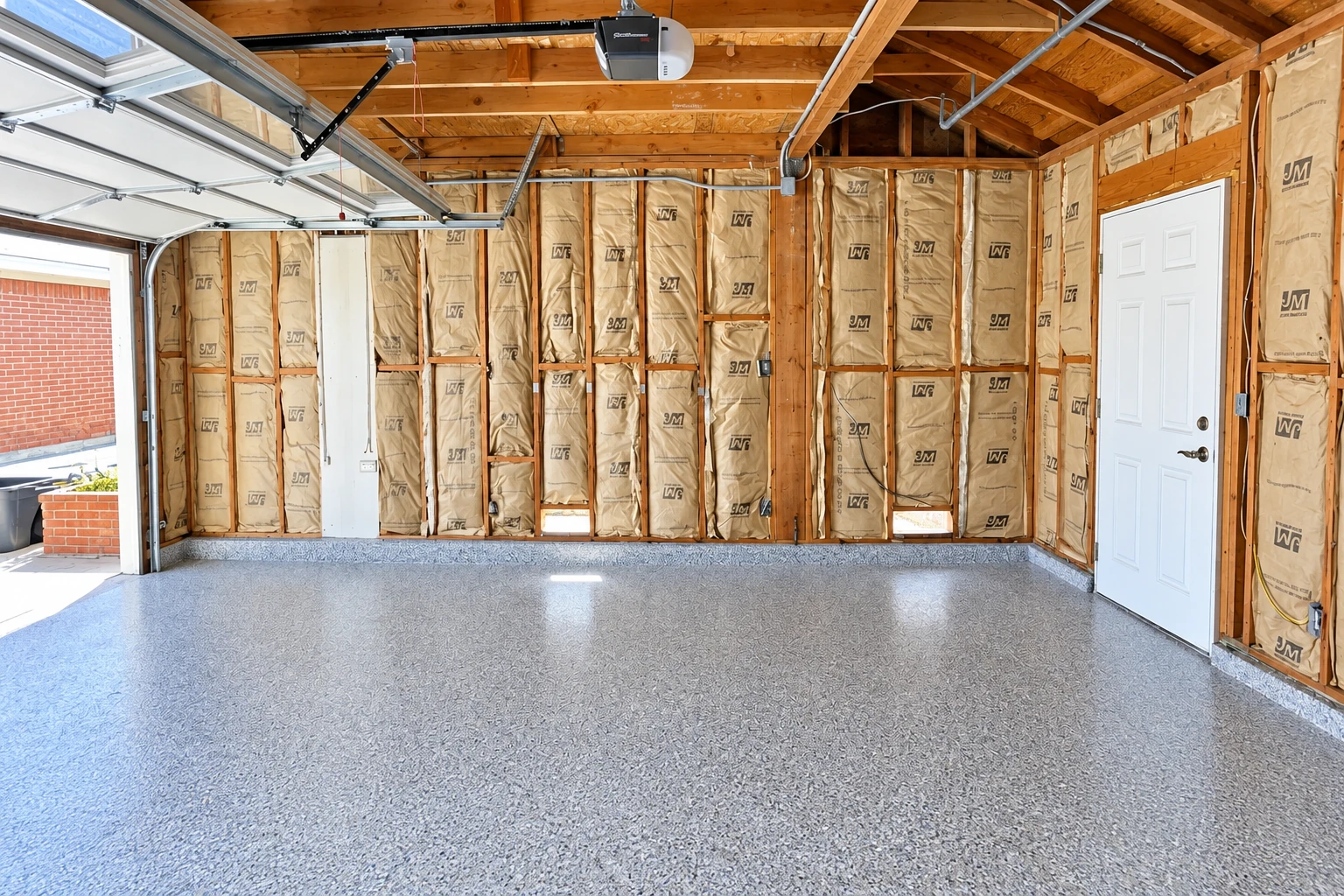
A garage with tan batt insulation fitted between exposed wall studs and a raised garage door.

How Garden Grove homes shape an insulation job

We're based in Cerritos, and Garden Grove is one of the Orange County cities we work in, along with neighbors like Anaheim.

The city is mostly single-family houses, many of them older, with shops and small offices along the busier streets that property managers call us about. In a house that's been lived in for decades, the insulation has usually been walked on, stored on and patched around more than once. So the job here tends to start with sorting out what's already above the ceiling before anything new goes in.

Insulation services we offer in Garden Grove

We offer every one of our services in Garden Grove, for houses and commercial buildings alike. The cards below show what each one fixes. Many jobs combine a few of them, usually air sealing first and insulation after, and I work out which ones your house needs when I'm up in the attic, not over the phone. Commercial jobs get the same walk-through, with the work planned around the people using the building.

  • Spray foam insulation

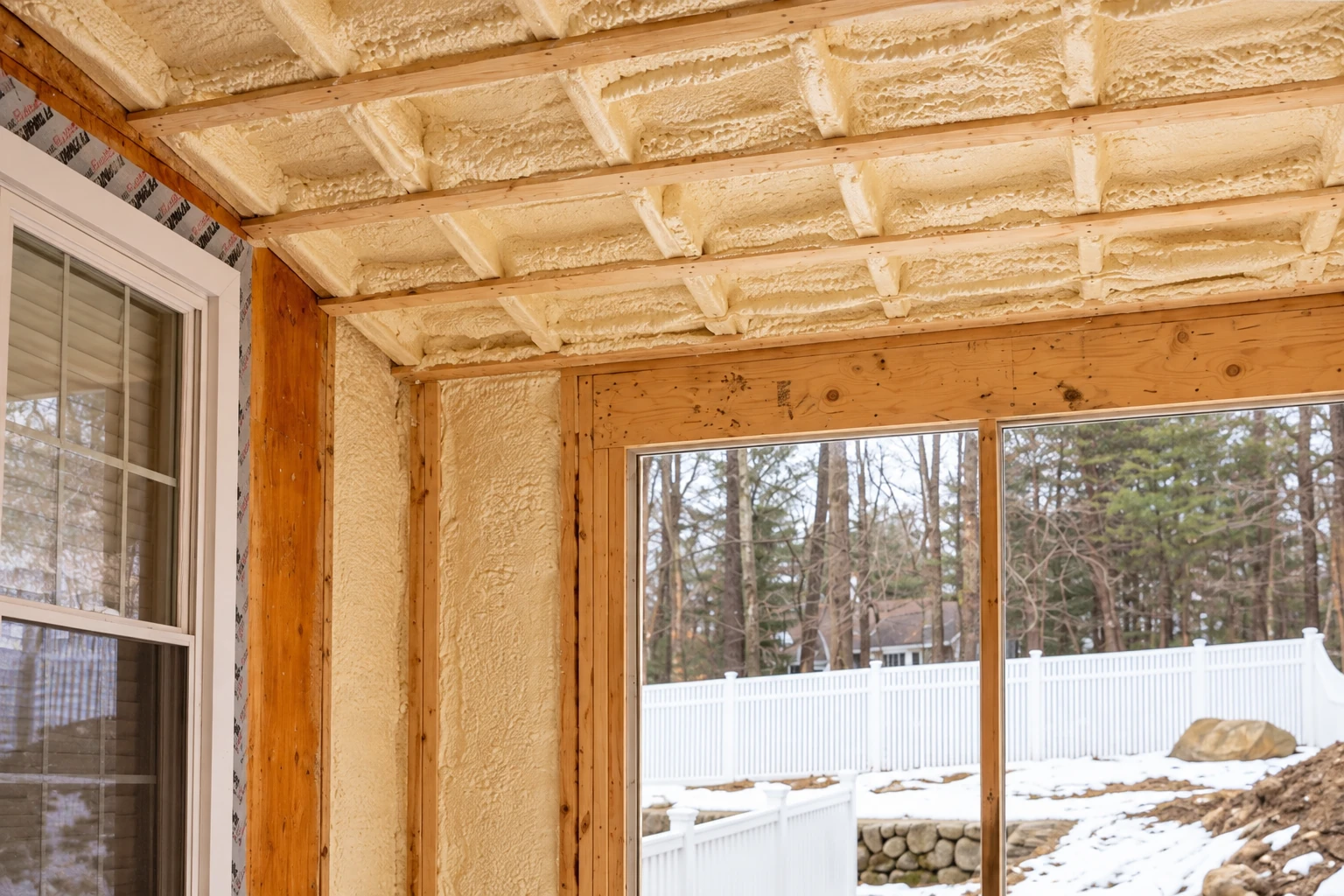
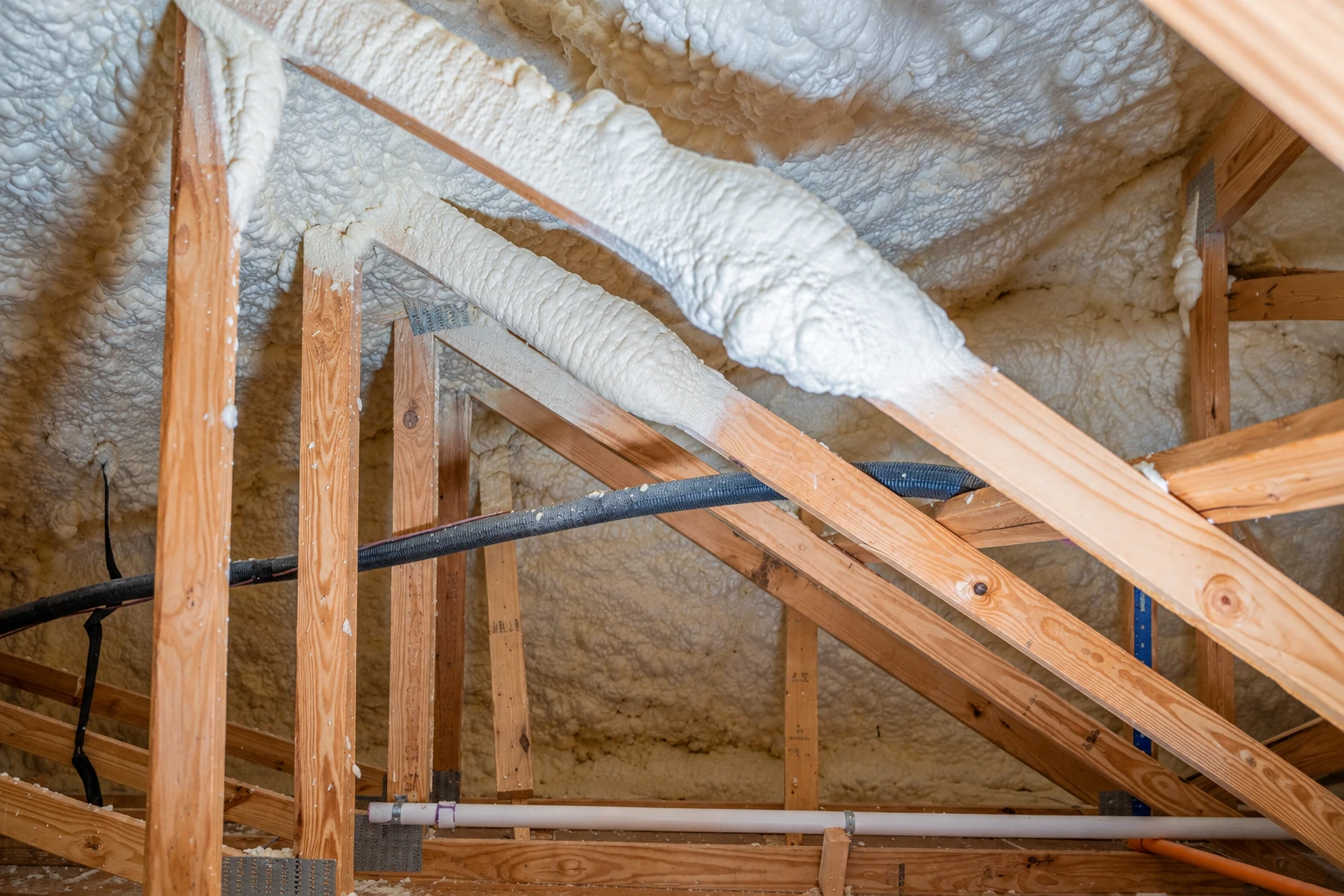
    Attics that hold the ductwork, and rooms over the garage that run hot, are where foam usually earns its higher cost. We spray it to seal the gaps and insulate in one pass.

    Explore service
  • Attic insulation

    Older attics often have only a few inches left, packed down by years of storage and service visits. We measure what's there, seal the gaps first, then build even coverage out to the eaves.

    Explore service
  • Blown-in insulation

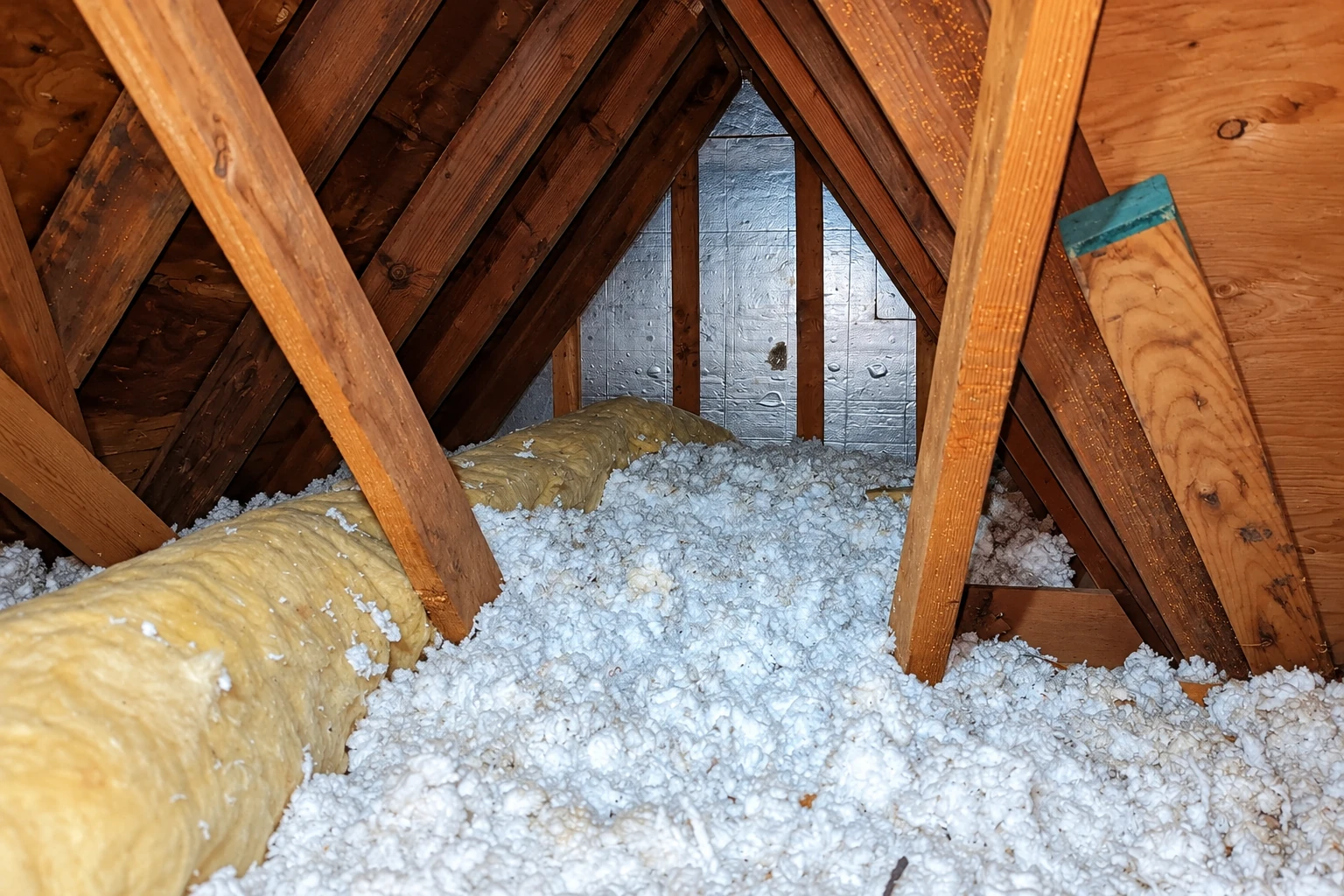
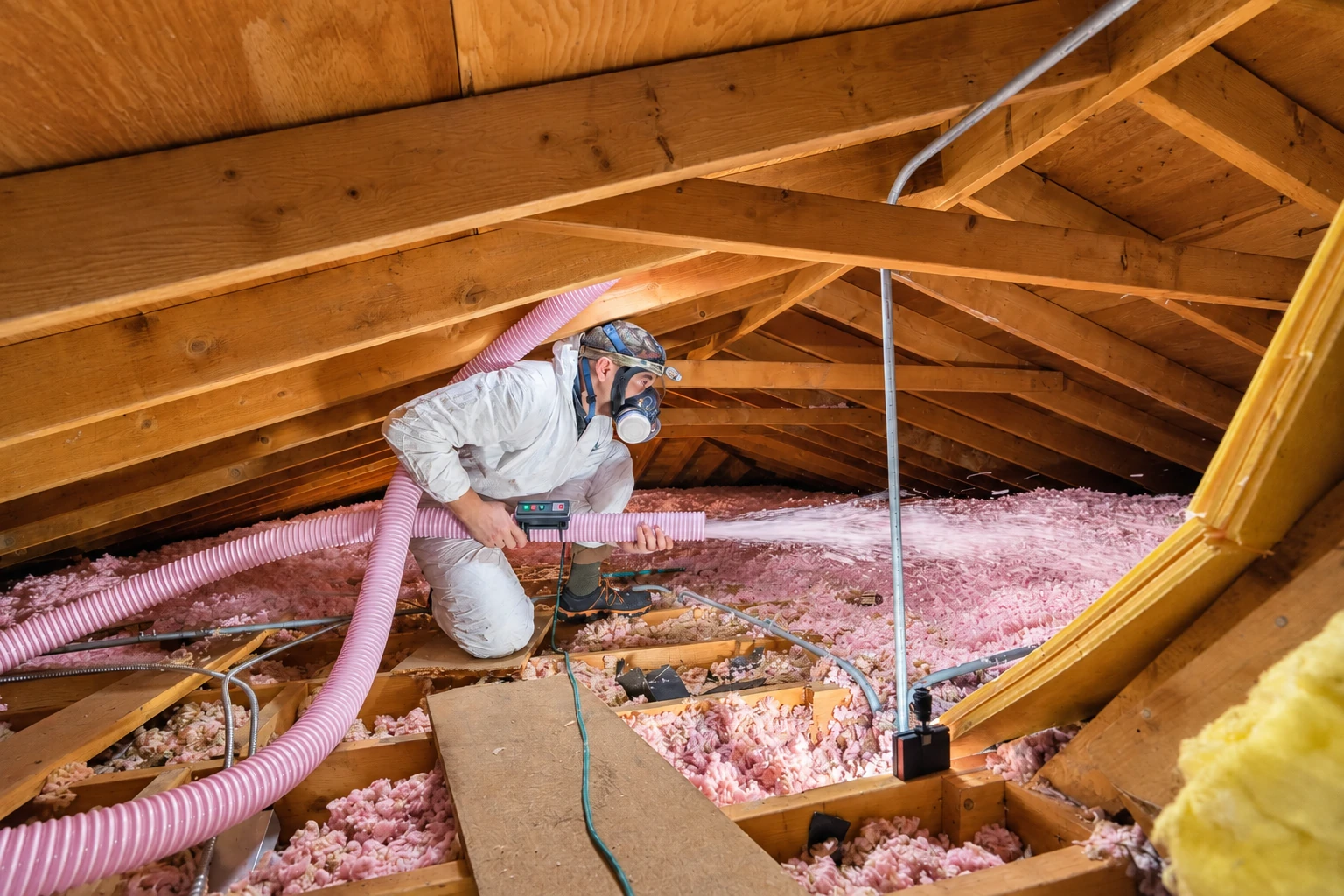
    Blown-in insulation, loose fill sent through a hose, is usually the simplest way to top up an open attic. We seal the gaps underneath first so it isn't fighting a draft.

    Explore service
  • Home insulation

    Drafty rooms and a high power bill usually come from several places at once, the attic, the walls and the floors. We look at the whole house and put the fixes in order.

    Explore service
  • Insulation removal

    In older houses, removal is the right first step when the old layer can't be saved. We vacuum it out through a hose, bag it, and clean up before anything new goes in.

    Explore service
  • Crawl space insulation

    Where a house sits on a raised floor, cold floors and drafts usually come up from the crawl space. We seal the gaps and insulate under the floor.

    Explore service
  • Wall insulation

    Outside walls in older homes are often empty or hold slumped insulation, so some rooms never feel even. We fill the wall cavities through small holes and patch them after.

    Explore service
  • Air sealing services

    In older houses, drafts slip in around outlets, baseboards, plumbing and wiring holes and the attic hatch. We close those gaps with caulk and foam so rooms stop feeling drafty.

    Explore service
  • Basement insulation

    Basements are uncommon around here, but when a home or building has one, damp walls and cold floors are the usual complaints. We deal with the moisture first, then insulate the walls.

    Explore service
  • Closed-cell foam insulation

    Closed-cell foam, a dense foam that blocks moisture, suits damp crawl spaces and low-slope roofs on commercial buildings. It costs more, so we use it where moisture is the problem.

    Explore service
  • Open-cell foam insulation

    We spray open-cell foam along the roofline when the ductwork lives in the attic, because it seals air while it insulates. It's softer than closed-cell and not the pick for damp spots.

    Explore service
  • Commercial insulation

    Property managers with shops and small offices call us about hot suites and tenant comfort complaints. We schedule around your tenants so the space can stay in use.

    Explore service
  • Crawl space vapor barrier

    A bare dirt crawl space lets ground moisture rise into the floor framing and the air in the house. We lay and seal a heavy plastic sheet over the soil to keep it out.

    Explore service
  • Vapor barrier installation

    Insulation can trap moisture against a wall, ceiling or floor if the vapor barrier goes on the wrong side. We find where the moisture comes from before we pick and place one.

    Explore service
  • Attic air sealing

    Where the ductwork runs through the attic, leaks at ceiling registers, the hatch and the tops of the walls pull hot attic air into the house. We seal them before insulation goes in.

    Explore service
  • Retrofit insulation

    Older houses weren't built with today's insulation levels, and adding it means working around finished walls and ceilings. We pick the method that fits the house as built and patch what we open.

    Explore service

Working in Garden Grove: permits, licenses and what moves the price

Before we schedule anything in Garden Grove, a few things get settled: whether the city wants a permit, who you're hiring, and what your house needs. Here's how we handle each.

Permits, licenses and what you can check

The city's Building & Safety Division applies the building rules for every building in Garden Grove, so it's the office to ask about a permit. Its common examples include altering a structure, re-roofing, windows, and heating and air work, but insulation on its own isn't named. Before we set a start date, we check with the division, and when a job needs a permit we handle the paperwork and inspection.

You can check two things about any contractor before you sign. The Contractors State License Board licenses and regulates contractors in California, so you can look up a license there. A contractor based in another city fills out a Garden Grove form to get a business license for work here, so you can ask about that too.

  • When a permit is needed, the start date waits on the city's approval.
  • Look up a contractor's state license yourself before you sign anything.
  • Out-of-town contractors file a city form for a Garden Grove business license.

What moves the price and the schedule

How big and cramped the attic is, how many inches are already up there and whether they're dry and clean, and how many gaps need sealing all move the price. Foam costs more because it seals air as it insulates, so I usually recommend sealing the gaps and topping up with blown-in, unless the ductwork lives in the attic.

The schedule turns on three things: whether old insulation has to come out first, whether the city wants a permit before we start, and, on a foam job, when you can be out of the house. I lay those out at the estimate so the start date is one you can plan around, not a guess.

  • The inches already up there, and their condition, set the starting point.
  • Ductwork in the attic is what usually tips the choice toward foam.
  • Hard-to-reach attic sections take more time and cost more than open ones.

Get a free on-site insulation estimate for your Garden Grove home

Call (562) 307-9067 or send the form, and we'll reply within one business day to set up a time. I come out to your Garden Grove home or building myself, look at the attic and crawl space, and give you a written estimate with each step listed in order. The estimate is free, and there's no obligation.

(562) 307-9067

What we usually find in the attics here

Most of what shapes an insulation job here sits above the ceiling. These are the conditions we look for first when I'm in a Garden Grove attic, and what each one means for the work.

  • Ductwork up in the attic

    In many of the houses we work on around here, the heating and air ducts run through the attic. That puts your ducts in the hottest part of the house in summer, so thin insulation and leaky ducts up there make the system work harder for every room.

  • Thin coverage at the edges

    Older attics are often deepest near the hatch, where it's easy to reach, and thin out toward the eaves where the roof gets low. That's backward. We bring the edges up to match, working out to the eaves without burying the vents.

  • Buried eave vents

    Vents along the eaves let the attic breathe. When insulation gets blown over them, damp air stays trapped and moisture starts to show in the framing. We hold insulation back from those vents with baffles, simple chutes that keep a path open for air.

  • Soaked or soiled old insulation

    Insulation that's sat through an old roof leak or a few years of rats and mice doesn't do its job, and it can hold smells and moisture. Putting new material on top just hides it, so that layer comes out first.

  • Additions with separate attics

    Houses that have been added onto over the years often have separate attic sections, some with no hatch at all. Those spots tend to get skipped, so I look for every section at the estimate and plan how the crew will reach each one.

How we handle an insulation job from start to finish

These are the habits behind every job we take, in Garden Grove or anywhere else we work. They come from years in attics, first fixing heating and air systems and now insulating.

Fix what's wrong first, then insulate

I spent years as a heating and air tech before I started this business in 2021, and most of that work put me in attics. I kept finding good equipment working hard under insulation that was thin, crushed or missing altogether. That's where our focus on sealing and insulating in a sensible order comes from.

New insulation laid over air leaks, damp wood or a furnace that isn't venting right just hides the trouble for a while. If I find one of those, I'll tell you before anything else, even when the fix isn't ours to make. I'd rather you spend the money where it helps than buy a job that looks good and doesn't change how the house feels.

  • Licensed and insured for attic work

    We're fully licensed and insured, which matters when a crew is crawling around the wiring, ducts and ceiling framing in your attic. Ask to see the paperwork when I'm out for the estimate, and I'll hand it over.

  • Your estimate matches your house

    I do the site visits and write every estimate myself. You get it in writing with each step listed in order, built from what I measured and saw in your attic, not from square footage pulled off a listing.

  • Checked by me before it's done

    Our installers do the work, and I check it before we call it finished. I look at the edges, the eave vents and the sealed gaps, because those are the spots that usually get missed. Satisfaction guaranteed.

  • Phone hours that fit your day

    We're at (562) 307-9067 Monday through Friday from 6 AM to 11 PM, and Saturday and Sunday from 7 AM to 11 PM, so you can call before work or after dinner. Tell me what you're noticing, and we'll set a time for me to come look.

Insulation questions from Garden Grove homeowners

These are the questions homeowners in Garden Grove ask us before an insulation job, about the city's rules, the state's limits and their own houses. Each answer starts with the short version.

How do I get a permit for insulation work in Garden Grove?

The property owner or the owner's authorized agent can get the permit, and when a contractor is doing the work, the city's permit guidance says it's wise to have the contractor get it. When your job needs one, that's us, and we take it through inspection too. Once issued, a permit expires if work doesn't start within 180 days, or if work stops for 180 days after progress was last documented.

What hours can contractors work in Garden Grove?

Construction and repair work in Garden Grove is allowed from 7 a.m. to 7 p.m. Monday through Friday and from 9 a.m. to 6 p.m. on Saturdays, with none on Sundays or federal holidays. We schedule crew days inside those hours, even though our phones are answered earlier and later.

How much can a contractor ask for as a down payment in California?

On a home improvement project, the state licensing board caps the down payment at $1,000 or 10 percent of the total contract price, whichever is less. It's a state rule, so it applies no matter which contractor you hire for work on your house.

How much does attic insulation cost in Garden Grove?

Your price comes from your attic: its size, how easy every section is to reach, what's up there now and how many gaps need sealing first. Old insulation that has to come out adds a step, and spray foam costs more than blown-in. I measure all of that when I come out, so the estimate matches the house you have.

What causes the room over the garage to get so hot?

A room over the garage usually runs hot because it picks up heat from more sides than other rooms, from the garage below and the attic around it. The floor over the garage and the knee walls, the short walls where the room meets the attic, are often thin on insulation or left unsealed. We check those spots, not just the ceiling, and seal before we insulate.

Do we have to leave the house during spray foam insulation?

Yes, for spray foam you, the kids and the pets stay out until the re-entry time, the wait before it's safe to come back inside, has passed. We plan the day around it with you. Air sealing and blown-in loose fill usually don't need you out, though we keep pets away from the open attic hatch.

Service areas

We're based in Cerritos and work in the cities listed below, along with others across Los Angeles County and Orange County. If you don't see your city, call (562) 307-9067 or send the form and ask.

Ask about your location
(562) 307-9067Get an estimate