
Caliber Cerritos Spray Foam InsulationCaliber Cerritos Spray Foam Insulation(562) 307-9067

Insulation contractor in Orange, CA - attics sealed first, then insulated

Caliber Cerritos Spray Foam Insulation is an insulation contractor working in Orange, CA. We seal attic air leaks, top up or replace worn insulation, and spray foam where it fits, in homes and commercial buildings across the city.

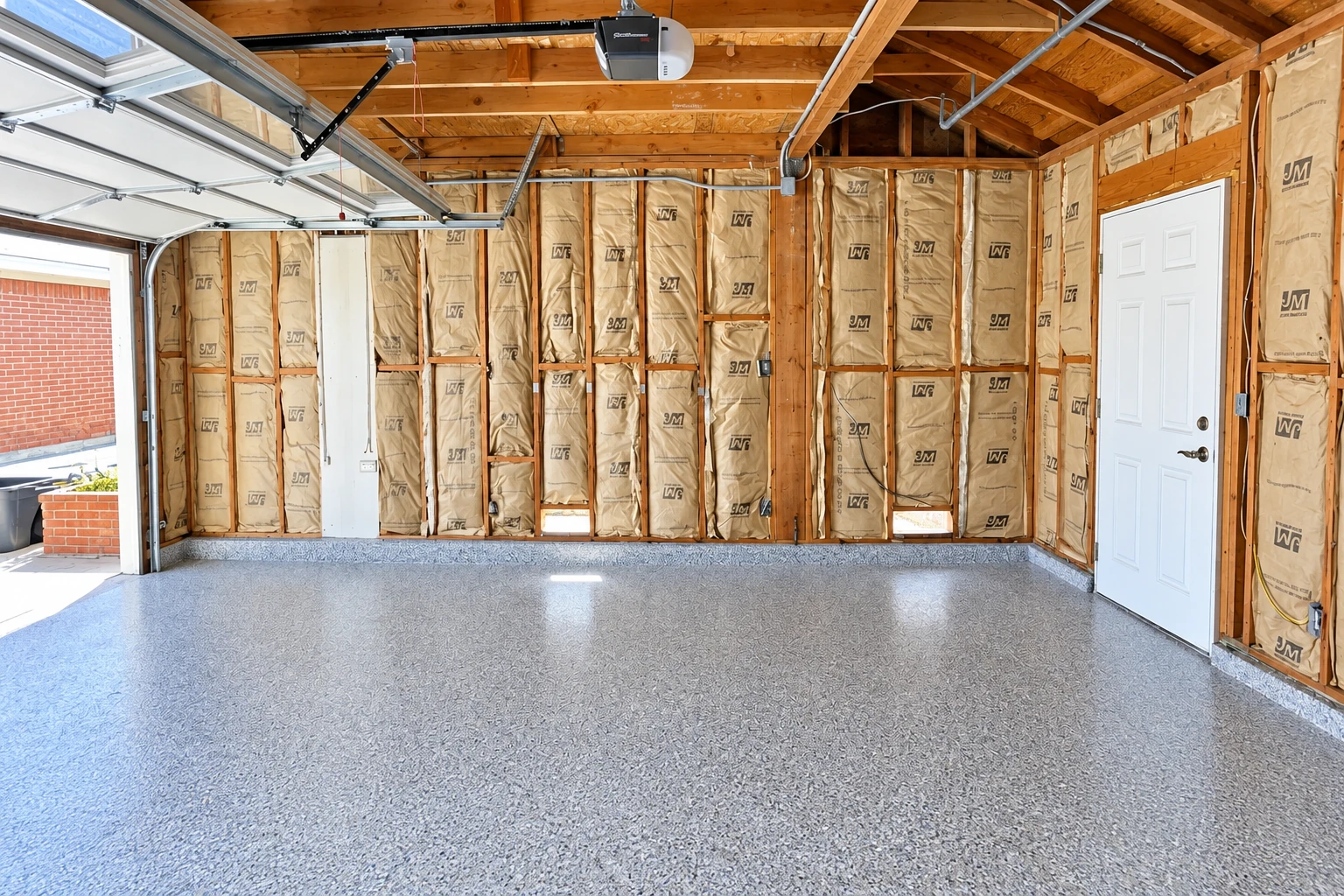
A garage with tan batt insulation fitted between exposed wall studs and a raised garage door.

Orange houses, from Old Towne to the newer neighborhoods

Orange covers a lot of ground in central Orange County, and with insulation, what the house is like matters more than the address. Around Old Towne and the Plaza, close to Chapman University, you'll find some of the city's oldest homes, with shops, galleries and restaurants lining the streets nearby. Farther out, the houses are usually newer, and the calls are the familiar ones: a hot upstairs, a drafty room over the garage or a power bill that keeps creeping up.

We're based in Cerritos and work here the same way we do in Long Beach and Anaheim. An older house has usually been through a few rounds of wiring, ductwork and insulation, so I look at what's up there before I put a number on anything.

Insulation services we offer in Orange

Most calls start with an upstairs that won't cool down or a power bill that keeps climbing. Before anything gets added, I come out, look at the attic, crawl space or walls, and measure how many inches are already there. The estimate then lists the work in the order it has to happen. Old material comes out first if it's wet or dirty, air sealing comes next, and new insulation goes in last. These are the services we do here, and each one has its own page.

  • Spray foam insulation

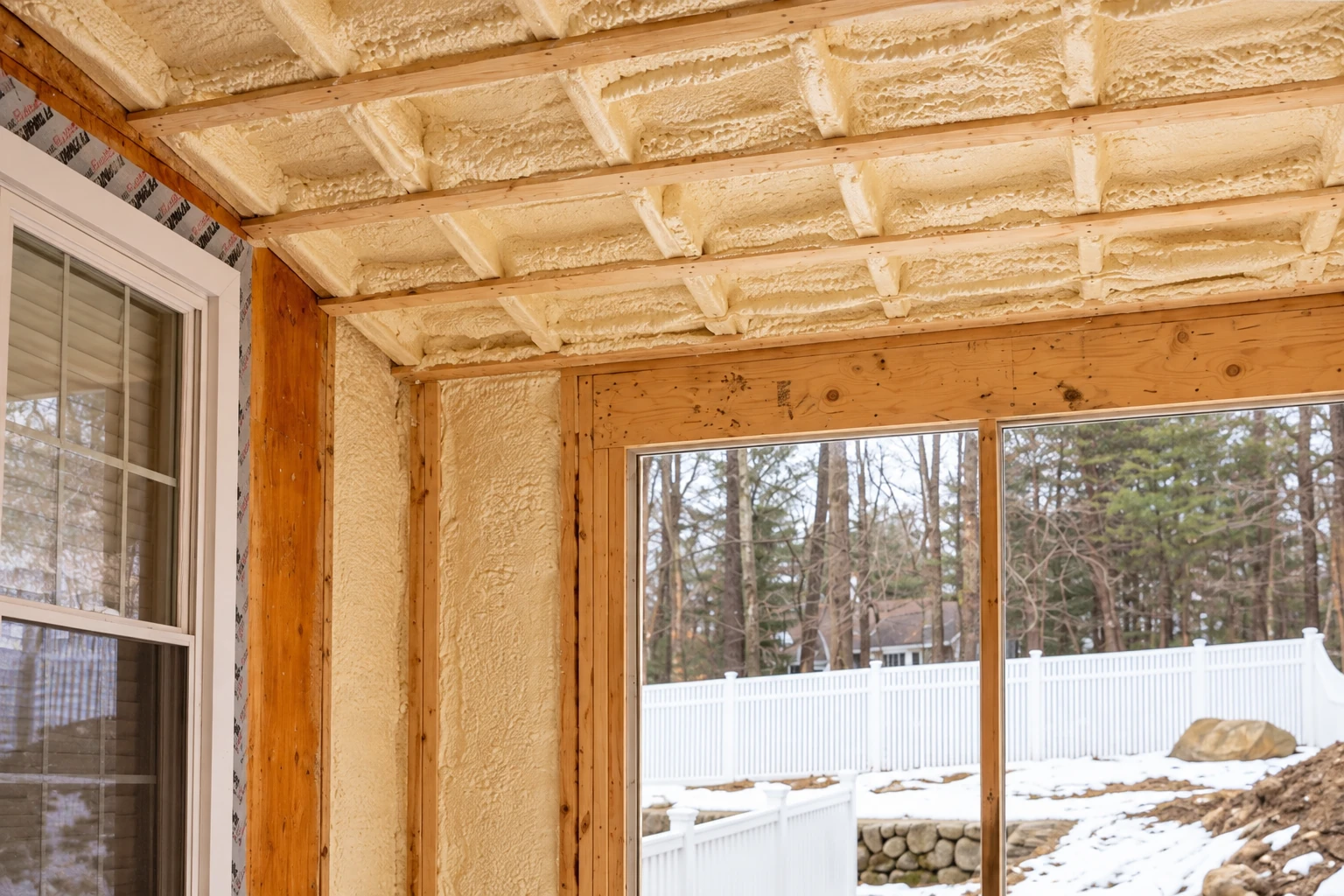
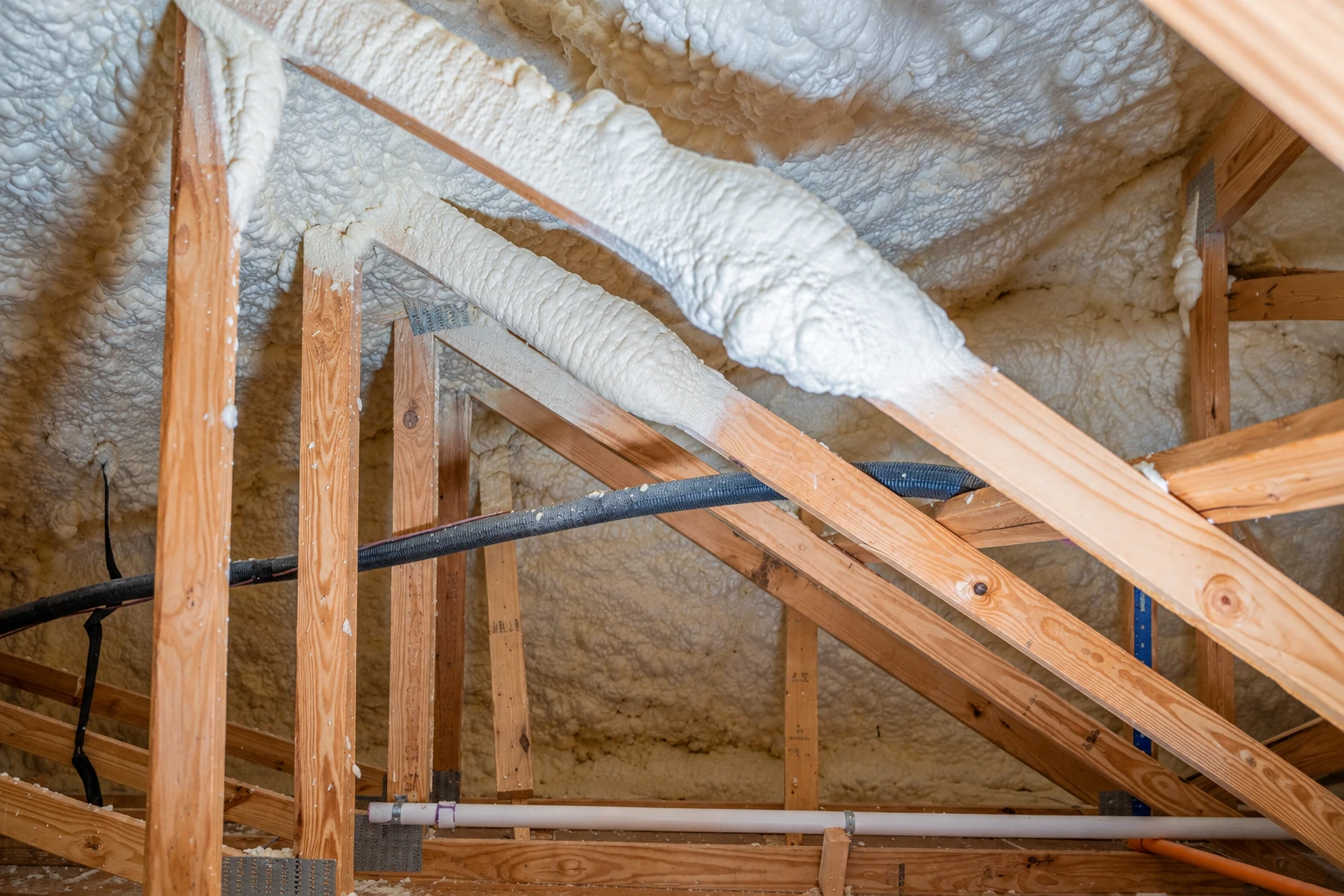
    Spray foam makes sense when the ductwork lives in a hot attic, because it seals and insulates the roof deck at once. It costs more, so we recommend it where it actually pays off.

    Explore service
  • Attic insulation

    A hot upstairs usually traces back to an attic with a few thin, crushed inches left. We measure what's there, seal the gaps, then fill evenly, keeping the edges as deep as the middle.

    Explore service
  • Blown-in insulation

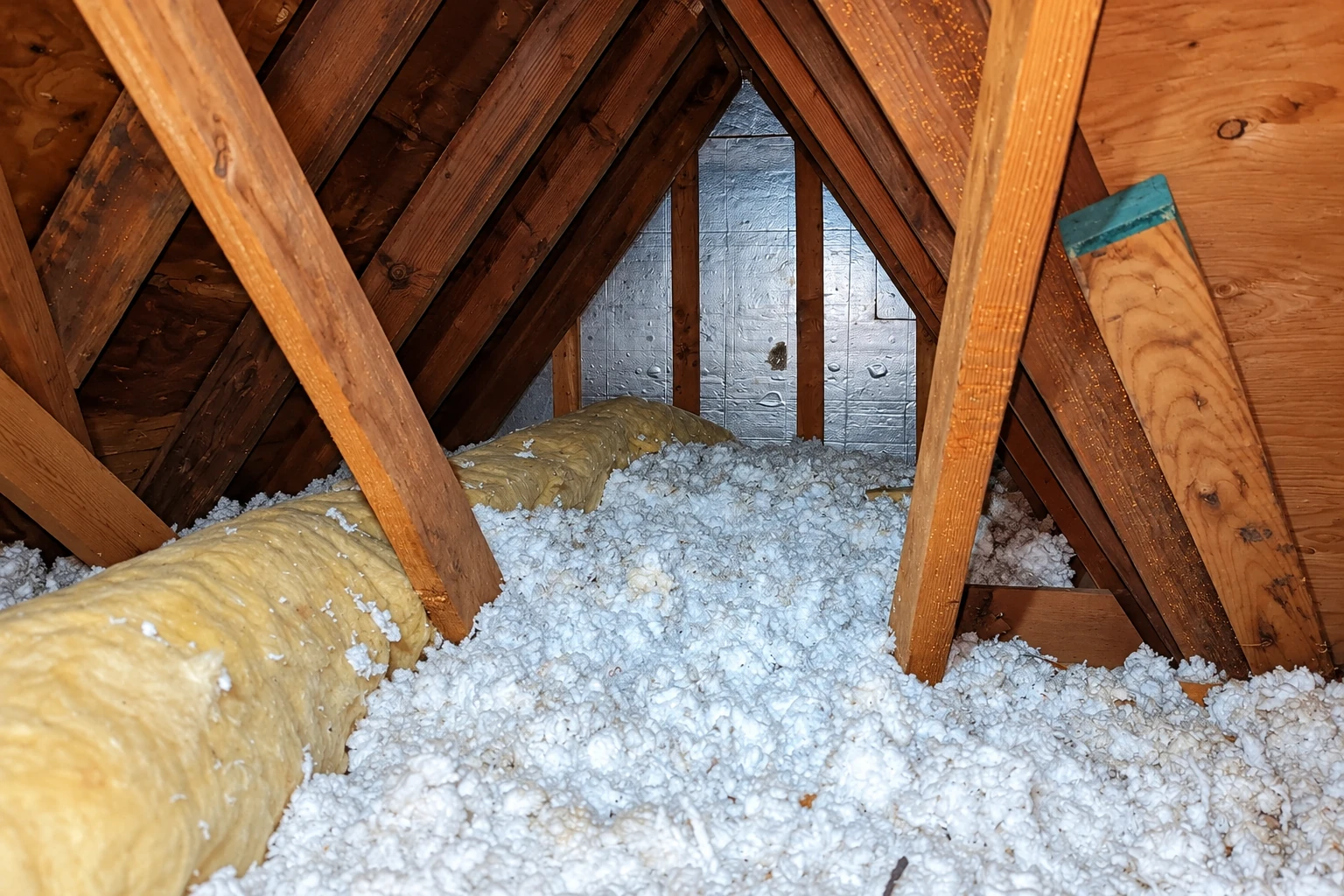
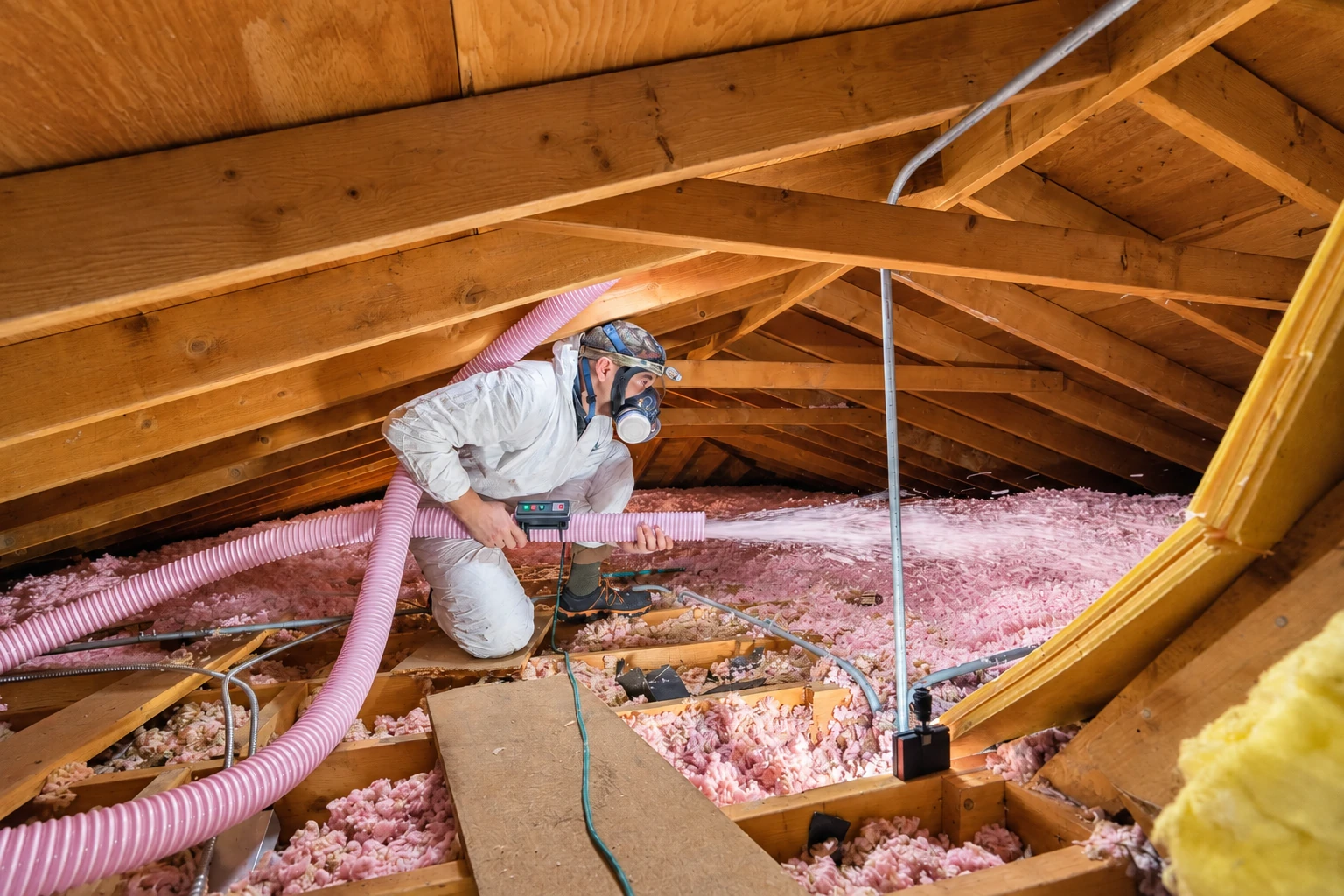
    Blown-in insulation is loose fill sent through a hose, and it's the usual way to top up an attic that was done once before. We blow it in after sealing and keep the eave vents clear.

    Explore service
  • Home insulation

    When the whole house feels drafty, the fix is rarely one spot, so we look at the attic, walls and floors together. The estimate then lists each area in the order we'd tackle it.

    Explore service
  • Insulation removal

    Insulation that's been soaked or fouled by pests has to come out, because new material over it only hides the problem. We vacuum it out and bag it before anything new goes in.

    Explore service
  • Crawl space insulation

    Cold floors over a crawl space usually mean the underside of the floor is bare or the old batts have dropped. We fit insulation between the joists and hold it up so it stays.

    Explore service
  • Wall insulation

    Older walls are often empty or only partly filled, which shows up as a room that never holds its temperature. We fill them through small holes we patch, so the drywall stays.

    Explore service
  • Air sealing services

    Drafts come through gaps around can lights, pipes, wiring and the attic hatch, and insulation alone won't stop moving air. Air sealing closes those gaps first, so whatever goes on top actually works.

    Explore service
  • Basement insulation

    Where a house has a basement or below-grade room, cold walls and damp air are the usual complaints. We check for moisture before insulating, because insulation over a wet wall traps the problem.

    Explore service
  • Closed-cell foam insulation

    Closed-cell foam is dense foam that blocks moisture, so it suits spots where damp is part of the trouble. It costs more than open-cell, and we'll say so when you don't need it.

    Explore service
  • Open-cell foam insulation

    Open-cell foam is softer and lighter, and it suits a roof deck over attic ductwork when moisture isn't the issue. It costs less than closed-cell and quiets noise between floors too.

    Explore service
  • Commercial insulation

    Property managers call us about offices and storefronts where one suite runs hot or the roof deck has no insulation. We schedule around business hours where we can, so tenants can keep working.

    Explore service
  • Crawl space vapor barrier

    A bare dirt crawl space lets ground moisture rise into the floor framing. We cover the dirt with a vapor barrier sheet that holds that moisture down, then tape the seams.

    Explore service
  • Vapor barrier installation

    Insulation next to a damp room, like a laundry or bathroom, can soak up moisture. We add a vapor barrier only where the wall calls for one, because the wrong one traps water.

    Explore service
  • Attic air sealing

    Attic leaks run around can lights, plumbing stacks and the hatch, and they leave dark dust streaks in the insulation. We seal them from above before any new insulation goes down.

    Explore service
  • Retrofit insulation

    Adding insulation to a finished house means working around what's already there, from old wiring to ducts and plaster. We plan the order around those, so nothing gets buried that you'll need later.

    Explore service

What to know before insulation work starts in Orange

Orange runs its own permits and business licenses, and both affect your job. Here's what the city handles, what you can check about a contractor, and what moves your price and start date.

Permits and licenses for insulation work in Orange

In Orange, permits go through the city. Its Building Division takes every permit application, and the city reviews plans and inspects job sites. Whether your job needs a permit is the city's call, not mine or yours, and if it does, the start date waits on the approval. That's why the permit question gets settled before anything else on your job.

You can check two things about any contractor who comes into Orange. The city requires a business license for every business operating here, including contractors who come in from another city, and that license covers Orange only. The city also says some businesses need a state license from the Department of Consumer Affairs, and it asks for that number on the application. We're fully licensed and insured.

  • I check with the city about approvals before we set your start date.
  • If a permit is needed, we handle the paperwork and the inspection.
  • Ask any contractor you're weighing for both licenses before work starts.

What sets your price and your start date

The price of an insulation job comes from the house you actually have. The biggest things are how many inches are already up there and in what shape, whether soaked or fouled material has to come out first, how many gaps need sealing, how easy the attic or crawl space is to get into, and whether loose fill or foam is the right material.

The schedule turns on two things, whether the city wants a permit and whether anything has to be fixed before insulation goes in, like a roof leak, damp wood or a furnace that isn't venting right. I'll show you what I found and say what needs fixing first. Your written estimate lists each step in order, so you can see why each one comes where it does.

  • I measure how many inches are already up there, at the edges too.
  • I check the eave vents, because buried vents trap moisture in the framing.
  • I note where the ductwork runs, since that decides foam or loose fill.

Get a written insulation estimate for your Orange home

Tell us what's going on with your house in Orange, and ask about permit steps if you're wondering. We reply within one business day to set up a free on-site estimate, where I look at your attic or crawl space myself and then give you a written estimate with each step in order. There's no obligation to go ahead.

(562) 307-9067

What we look for in Orange attics and crawl spaces

These are the conditions we look for in attics and crawl spaces before quoting anything. Most of them don't show from the hallway, which is why I go up and look.

  • Old insulation in several layers

    Older houses have often been insulated more than once, so we can find batts under loose fill under something newer. We pull back a section to see the bottom layer, because if it's wet or fouled by pests, piling more on top keeps the problem in your attic.

  • Open gaps into the attic

    Can lights, plumbing pipes, wiring holes and the attic hatch all leave openings from the house into the attic. Air moving through them carries heat and dust right past the insulation, so we close those gaps before anything new goes down and weatherstrip the hatch.

  • Eave vents buried under fill

    When loose fill gets blown right to the roof edge, it covers the eave vents and the attic stops breathing, which later shows up as damp or stained framing. We put in baffles, simple guards that hold insulation back from the vents, so air keeps moving.

  • Thin edges and deep middles

    Many attics are deep in the middle and thin along the eaves, because the edges are the hardest place to reach. That's backward, since the edges sit right over your outside walls, so we measure in several spots and bring the edges up to match.

  • Ductwork running through the attic

    When heating and cooling ducts run through the attic, they sit in the hottest part of the house on a summer afternoon. That's the one case where foam on the underside of the roof can be worth its price, and the questions below cover that choice.

Why hire an insulation contractor from Cerritos

Here's how we run an insulation job in Orange and why. It comes down to who looks at your house, the order the work happens in and who checks it at the end.

We fix things in the right order

I spent years as a heating and air tech before starting this business in 2021, and most of that work put me in attics. Again and again I found good equipment working hard under insulation that was thin, crushed or missing. New insulation over air leaks, damp wood or a furnace that isn't venting right just hides the trouble.

So we work in a set order. Anything wet or fouled comes out, the gaps get sealed, and new insulation goes in last. If I find something that has to be fixed before we start, like a roof leak or a furnace vent problem, I'll tell you plainly. I'd rather do that than sell you a job that looks nice and doesn't help.

  • I write every estimate myself

    I do the site visits and write the estimates, so the person pricing your job has been up in your attic. I measure the inches already there and note what needs fixing first, so the numbers match the house you actually have.

  • Checked by me before it's done

    Our installers do the work, and I check it before we call the job finished. I look at the depth along the edges, the sealed gaps and the eave vents, because those are the places that usually get missed.

  • Licensed, insured, satisfaction guaranteed

    We're fully licensed and insured, and the people in your attic are our own installers. Satisfaction guaranteed, and before we call it done, I'll walk you through what we did so you can see the work yourself.

  • Every step listed in order

    Your written estimate lists each step in the order we'll do it, from removal to sealing to new insulation, and leaves off anything your house doesn't need. To set up a visit, call (562) 307-9067 or send the form on this page.

Common insulation questions for Orange homes

These are the questions that come up most about insulating a house in Orange. If yours isn't here, call (562) 307-9067 and I'll answer it over the phone or at your house.

Is spray foam worth the extra cost for a house in Orange?

Usually not, unless the ductwork runs through the attic. Foam costs more than loose fill because it seals air and insulates in one step, so it earns that price when it brings the ducts inside the insulated space. For most attics, sealing the gaps and topping up with blown-in fill is the better buy, and your written estimate shows which one I'd pick for your house and why.

Is my home in Orange's historic town site?

Your home is in the historic town site if it sits within the original one square mile of Orange around the Plaza, where Chapman Avenue meets Glassell Street. That area is listed on the National Register of Historic Places, and the listing covers that area, not the whole city. Many homes there date from the city's early days, so I expect older framing and several rounds of past work up top, and I look closely before pricing anything.

How long does insulating an attic take, and do we have to leave the house?

A top-up with blown-in fill is usually the shortest kind of job, and removal or spray foam adds time because there's more to do. With loose fill you can usually stay home, since the crew works up in the attic. Spray foam is different, because you'll be out until the re-entry time the foam maker sets, the point when it's safe to come back in, and I'll go over that for your house before we schedule.

What causes the room over the garage to stay hot in my Orange house?

Usually that room has the least insulation in the house, with air leaking in from the garage below and the attic around it. The floor over the garage and the knee walls, the short walls along a sloped ceiling, are often thin or bare. We seal the gaps and insulate those surfaces, not just the attic floor.

Service areas

We're based in Cerritos and work in many cities around it in Los Angeles County and Orange County, including the ones listed here. If you don't see your city, call (562) 307-9067 or use the form and ask.

Ask about your location
(562) 307-9067Get an estimate