
Caliber Cerritos Spray Foam InsulationCaliber Cerritos Spray Foam Insulation(562) 307-9067

Insulation contractor in Long Beach, CA - attics sealed first, then insulated

Caliber Cerritos Spray Foam Insulation is an insulation contractor working in Long Beach, CA. We seal air leaks, then insulate attics, walls and crawl spaces in homes and commercial buildings so they stay cooler and cost less to run.

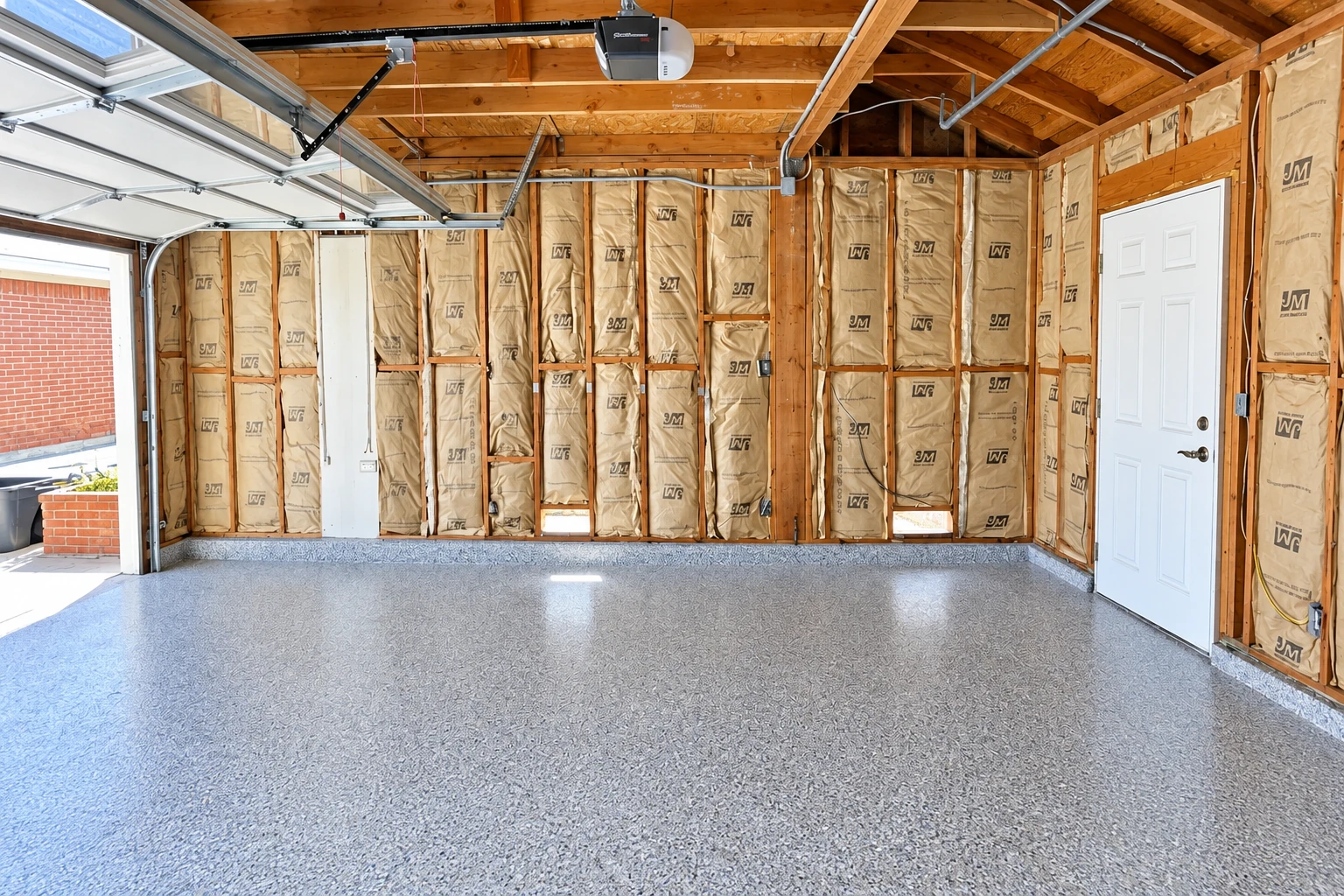
A garage with tan batt insulation fitted between exposed wall studs and a raised garage door.

How we see Long Beach houses from the attic

In a city as big as Long Beach, insulation calls cover a lot of ground: hot rooms over garages, upstairs bedrooms that never cool off, drafty older houses and small commercial buildings that property managers want sealed up. We do the same work next door in Lakewood and across the county line in Garden Grove, so the kinds of houses here are familiar to our crew.

Whatever the house, the job usually turns less on how much new insulation goes in and more on what's already up there, from the old layer to the gaps in the ceiling beneath it.

Insulation services we offer in Long Beach

Every service below is available for houses and commercial buildings in Long Beach, and most jobs use several of them together, because a hot upstairs rarely gets fixed by more insulation alone. I plan the work in order. Anything wet, dirty or crushed comes out first, air leaks get sealed next, and new insulation goes in last. That order keeps fresh material from hiding an old problem. Pick one, or ask me which ones your place needs.

  • Spray foam insulation

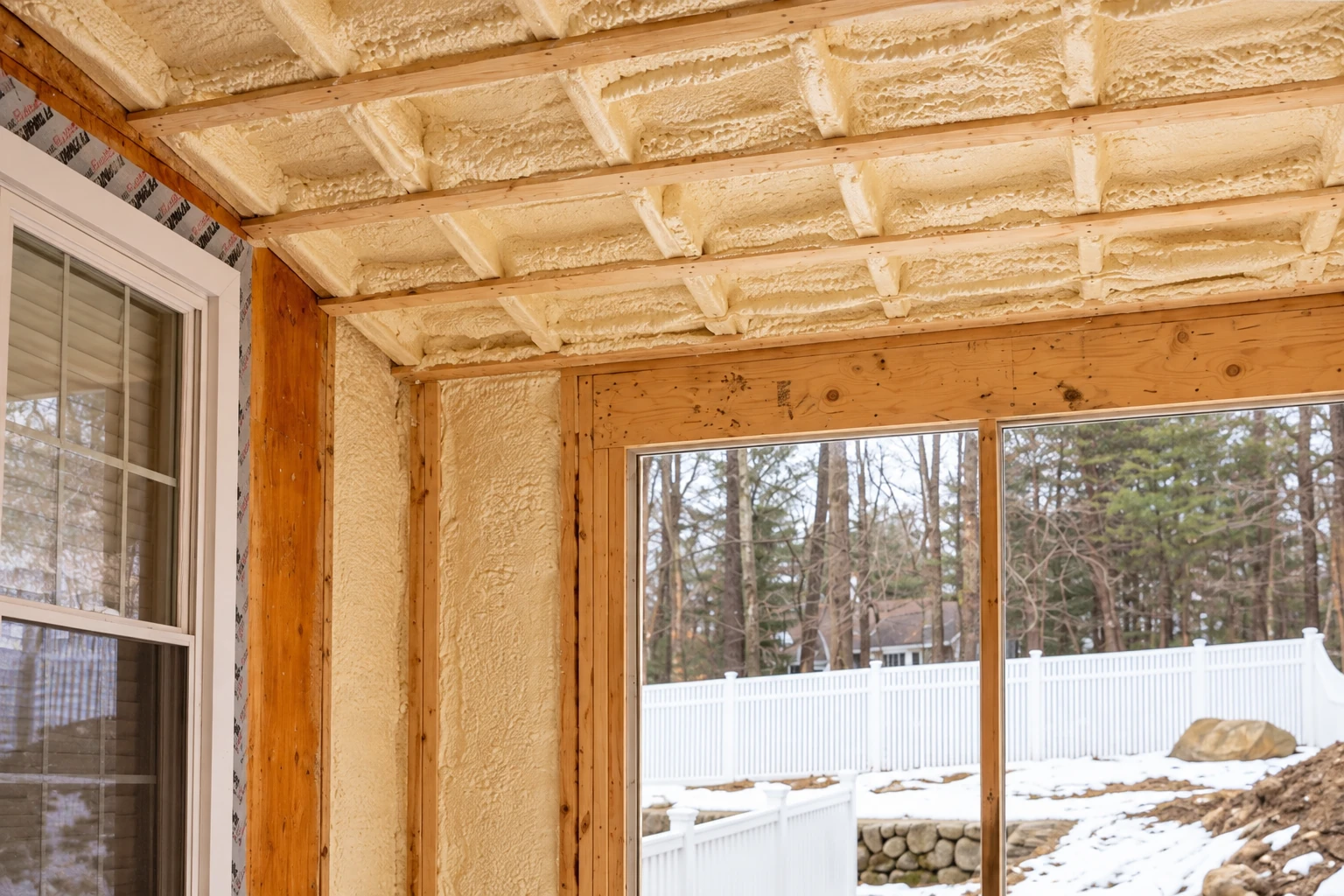
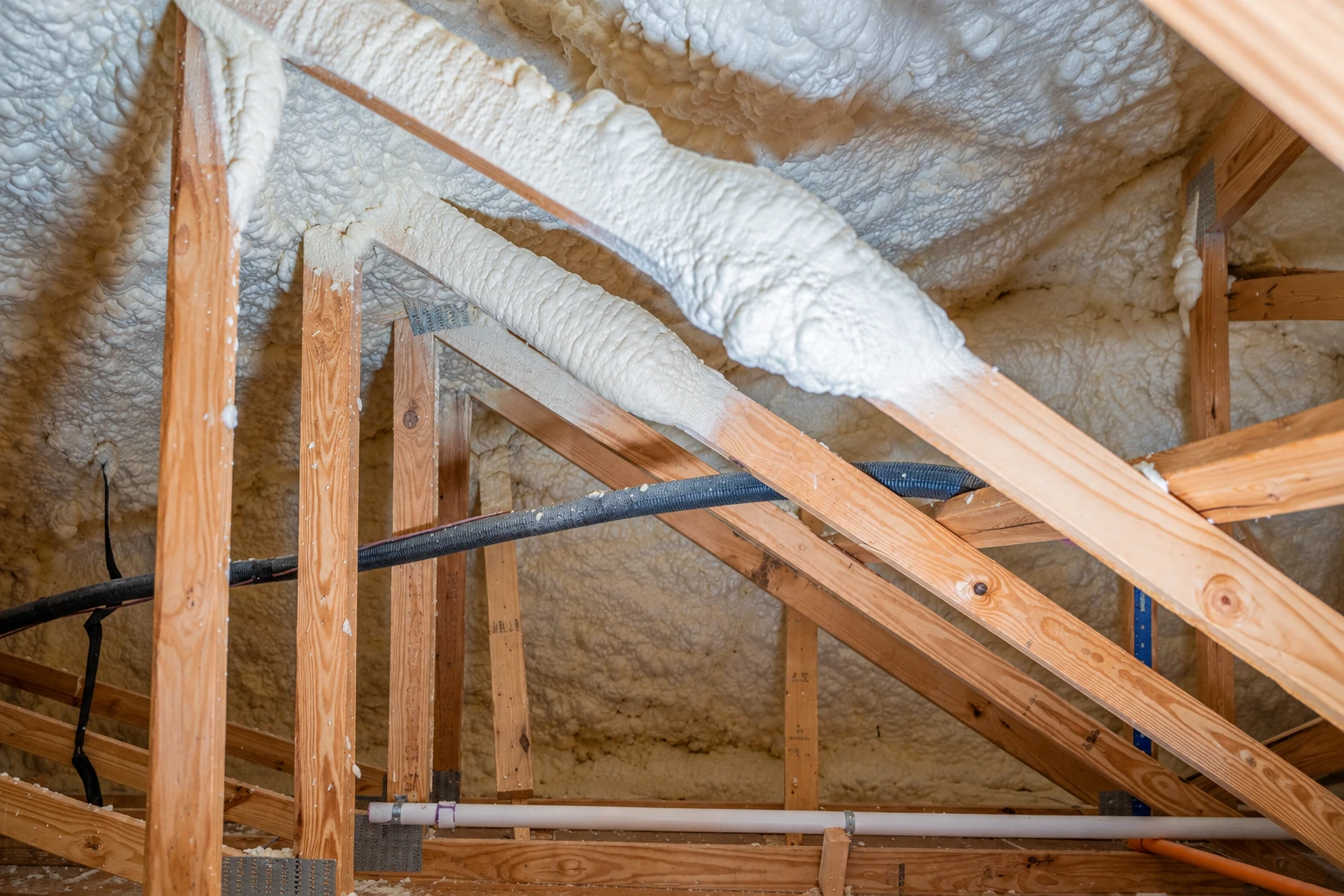
    Spray foam suits rooms over garages and tight roof spaces with no depth for loose fill. It seals and insulates at once, so we use it where that's worth its higher cost.

    Explore service
  • Attic insulation

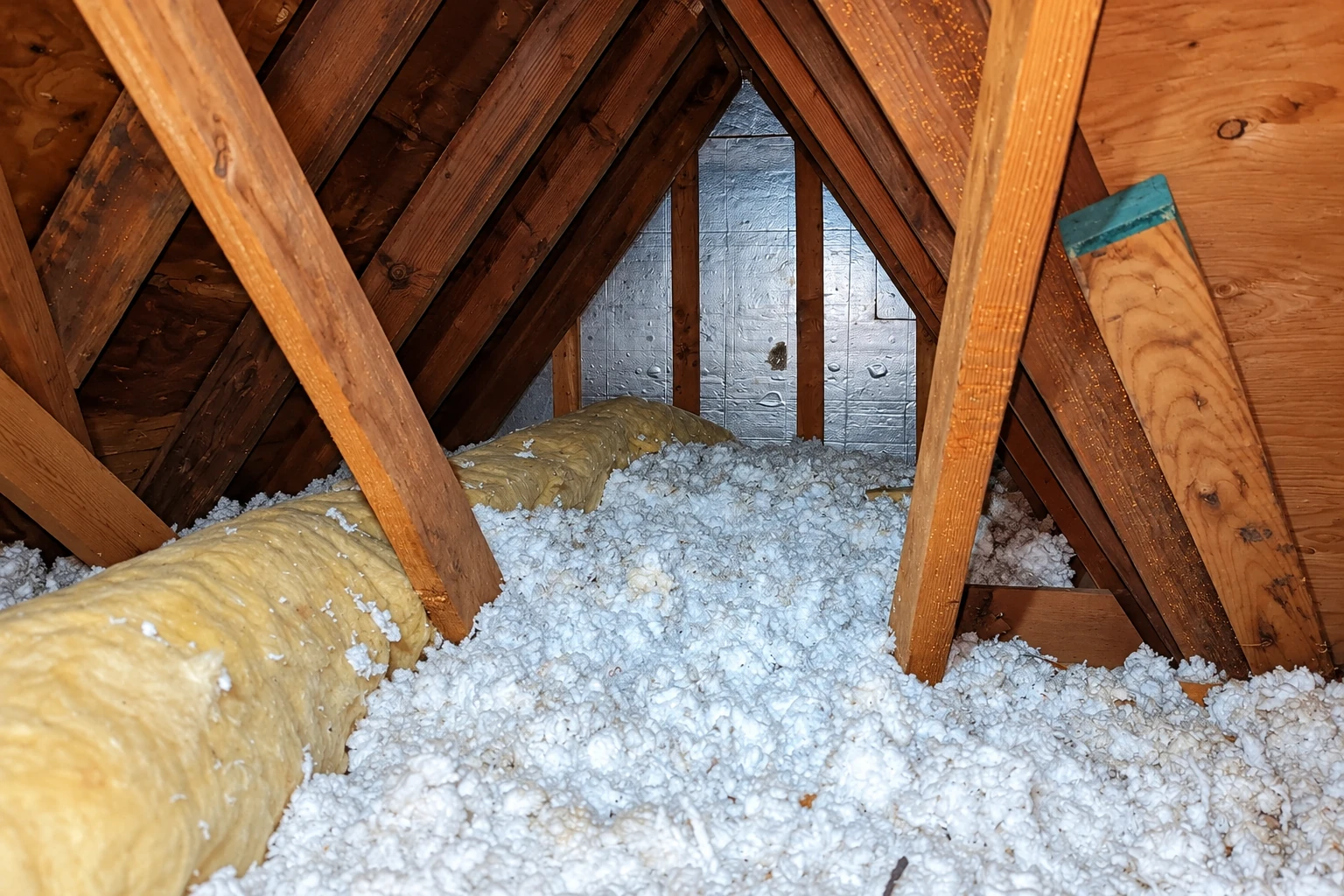
    Attics here often hold a thin, packed-down layer, deep in the middle and bare at the edges. We seal the gaps, clear the eave vents and bring the whole attic up evenly.

    Explore service
  • Blown-in insulation

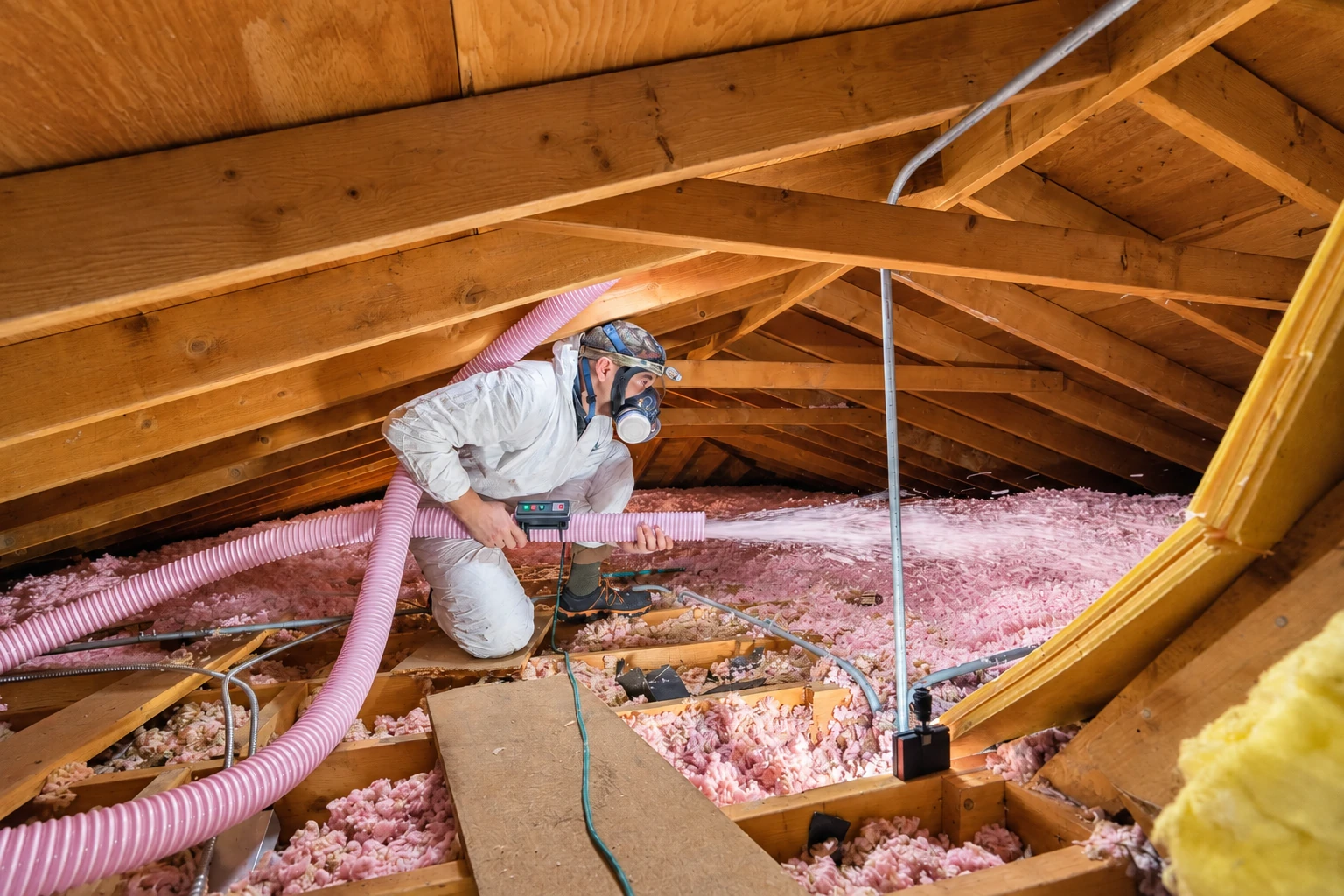
    Blown-in insulation is loose fill we blow through a hose, and it's usually the simplest fix when the old layer is clean and too thin. We keep it even right out to the eaves.

    Explore service
  • Home insulation

    Some houses here are hot upstairs and drafty downstairs, which points to more than one weak spot. We look at the whole house and fix those spots in a sensible order.

    Explore service
  • Insulation removal

    Old attic insulation that got wet or filled with droppings keeps holding the problem, even under a fresh layer. We bag it out and clean up before anything new goes in.

    Explore service
  • Crawl space insulation

    Raised-floor houses can have cold floors when the crawl space underneath is open to outside air. We insulate between the floor joists and seal the gaps so the floor stays warmer.

    Explore service
  • Wall insulation

    Older walls are sometimes empty or only partly filled, so rooms on the sunny side heat up fast. We fill them through small holes we patch afterward, so the walls don't come down.

    Explore service
  • Air sealing services

    Drafty rooms usually trace back to small gaps where pipes and wires pass through walls, floors and ceilings. Air sealing closes those gaps before we insulate, so new material isn't fighting a draft.

    Explore service
  • Basement insulation

    When a house or building here has a basement or below-grade room, the walls can stay cool and damp. We check for moisture first, then insulate so it doesn't get trapped behind the new layer.

    Explore service
  • Closed-cell foam insulation

    Closed-cell foam is dense foam that also blocks moisture, which helps under raised floors and on surfaces that see damp air. It costs more than other options, so we use it where that matters.

    Explore service
  • Open-cell foam insulation

    Open-cell foam is softer and lighter, and it suits rooflines over finished rooms that leak air and heat. We use it where moisture isn't the concern and the space needs a good air seal.

    Explore service
  • Commercial insulation

    Offices and small commercial buildings here often have rooms tenants call too hot or too cold. We plan the work around your business hours and seal the leaks before we insulate.

    Explore service
  • Crawl space vapor barrier

    Damp ground under a raised floor sends moisture up into the framing and insulation above. We lay a vapor barrier, a heavy plastic sheet, over the soil to keep that moisture in the ground.

    Explore service
  • Vapor barrier installation

    Walls and ceilings beside damp spaces, like garages and below-grade rooms, can let moisture into the insulation. We place a vapor barrier where it keeps that moisture out, not where it traps it.

    Explore service
  • Attic air sealing

    In attics here, cool air from the house leaks out around can lights, the attic hatch and the tops of walls. We seal those spots from above before any insulation goes over them.

    Explore service
  • Retrofit insulation

    Finished houses built light on insulation can be brought up without gutting rooms. We work through the attic, the crawl space and small wall openings to add what's missing.

    Explore service

What to know before insulation work starts in Long Beach

Long Beach has its own rules about who can pull a permit and work on your house. Here's what the city and state expect, what we do about it, and what moves your price and start date.

Permits and licenses the city checks

In Long Beach, the city's Development Permit Center issues building, electrical, plumbing and mechanical permits for work on private property. The city says most construction in a house needs a permit and inspection, including alterations, replacements and repairs, though the Building Official can decide some minor work is exempt. Whether your job needs one depends on what's involved, so I check with the city before we set a start date.

When a contractor pulls the permit, the city wants a valid California contractor's license and an active Long Beach business license, and anyone doing business in the city needs that business license anyway. Those are the two things worth asking any contractor about before you sign. When your job needs a permit, we handle the paperwork and the inspection, and the city's timing becomes part of your start date.

  • Ask any contractor for their California license and Long Beach business license.
  • Houses in historic districts or coastal zones can face extra city requirements.
  • If a permit is needed, plan for a city inspection before we finish.

What moves the price and the start date

Your price turns on what's already in the attic and what has to happen before new insulation goes in. The inches already up there, whether that layer is clean and dry, how many gaps need sealing and how easy the attic is to move around in all change the number. You'll get the estimate in writing, with each step listed in the order we'll do it.

Foam costs more, but it seals air while it insulates. For most attics, sealing the gaps and topping up loose fill does the job for less, unless your ductwork runs through the attic, where foam usually earns its cost. The start date mostly turns on the permit check and on anything that has to be fixed first, like damp wood or a furnace that isn't venting right.

  • Removing old, soaked or dirty insulation adds a step and adds cost.
  • Tight attics with little headroom take longer than open, easy ones.
  • Older houses often need more gap sealing before any insulation goes in.

Get a free on-site insulation estimate in Long Beach

We reply within one business day of your call or message to set up a visit. I come out to your Long Beach home or building, go through the attic and anything connected to the job, and write up an estimate, free and with no obligation.

(562) 307-9067

What we find in Long Beach attics and crawl spaces

These are the conditions that most often decide how an insulation job here goes. Some show up from the hallway, like a hot room, and some only once we're up in the attic.

  • Thin coverage at the edges

    A lot of attics have insulation piled up where it was easy to reach and almost none out by the eaves, which is backward because the edges sit closest to the hot roof. That's often why one side of a bedroom feels warm in the afternoon.

  • Ducts in a hot attic

    When ducts run through the attic, cooled air crosses the hottest space in the house before it reaches your rooms, so the AC works harder for the same result. We look at the ducts and how they're covered before we decide what goes in around them.

  • The room over the garage

    A bedroom or den over the garage usually has a hot garage below and a roof above, with little insulation in the floor between. It's often the room people call about first, and the floor can need as much attention as the ceiling.

  • Old insulation that has to go

    Insulation that got wet from a roof leak or filled with rodent droppings doesn't get better under a fresh layer. If we find it, I'll tell you, and it comes out before anything new goes in, because covering it just hides the problem.

  • Low spots and storm water

    The city says some parts of Long Beach could flood during a major rainstorm. If your crawl space or garage has ever taken on water, we check the framing and any insulation down there for dampness before we add or cover anything.

How we approach an insulation job, start to finish

I started this business in 2021 after years as a heating and air tech. These are the habits that came with me, and what they mean for your house.

Fix what's underneath before adding insulation

Most of my old heating and air work put me in attics, and I kept finding good equipment working hard under insulation that was thin, crushed or missing. I also found new insulation laid right over air leaks, damp wood or a furnace that wasn't venting right, looking fine and fixing nothing.

So the order matters more to me than the material. If something needs fixing first, I'll tell you before I sell you anything, even when that makes our part of the job smaller. I'd rather your house actually hold its temperature than sell you an attic that looks nice and doesn't help.

  • I check the work myself

    Our installers do the work, and I check it myself before we call the job finished. That's when a missed gap or a thin spot at the edges gets caught, while the crew is still there to fix it.

  • I price the house you have

    I'd rather price the house you have than a guess made over the phone. On the visit I go up into the attic myself, and I'll tell you what I saw and what I can only guess at until the job is open.

  • Licensed, insured, satisfaction guaranteed

    We're fully licensed and insured, and our promise is the same on every job. Satisfaction guaranteed. If something about the work doesn't sit right with you, call and tell me, because I'd rather hear it than have you wonder.

  • Open early and late, every day

    You can reach us Monday through Friday from 6 AM to 11 PM, and weekends from 7 AM to 11 PM, so calling before or after work is fine. Call (562) 307-9067 or use the form on this page to ask for a visit.

Questions about insulation work in Long Beach

These are the questions about cost, permits and licensing that come up when you're planning insulation work in Long Beach. If yours isn't here, call and ask.

How much does it cost to insulate an attic in Long Beach?

Your price comes from what's in your attic now, so I set it on the visit rather than quote over the phone. A clean, open attic that only needs topping up costs the least, while old insulation that has to come out, lots of gaps to seal, tight access or a switch to foam each add to it. Call (562) 307-9067 and I'll come measure.

How do I get my own permit for work on my Long Beach house?

The city lets a homeowner get a permit and do construction, alteration or repair on their own house and accessory buildings, as long as they live there or will live there. You apply through the city's permit center, and the city limits owner permits to certain kinds of dwellings, so ask there whether yours qualifies. If you hire us instead, the permit goes in under our licenses.

When does an insulation contractor need a California state license?

A contractor needs a license from the Contractors State License Board when the job needs a building permit, uses any additional workers, or the labor and materials on the project come to $1,000 or more. That covers most jobs bigger than a small repair, so ask for the license before anyone starts.

How do I know which building code my Long Beach insulation job has to meet?

Since January 1, 2026, the city has required all projects to meet the 2025 California Building Standards Code and the Long Beach Municipal Code. The code that applies is the one in effect when plans are submitted, so anything planned now falls under the current version. We plan the work to that code from the start.

Service areas

We're based in Cerritos and work in Long Beach, Lakewood, Bellflower, Norwalk, Downey and many other cities across Los Angeles County and Orange County. If your city isn't listed, call or send the form and ask.

Ask about your location
(562) 307-9067Get an estimate